

WorldAnimalFoundation.org is reader-supported. When you buy through links on our site, we may earn an affiliate commission. Learn More
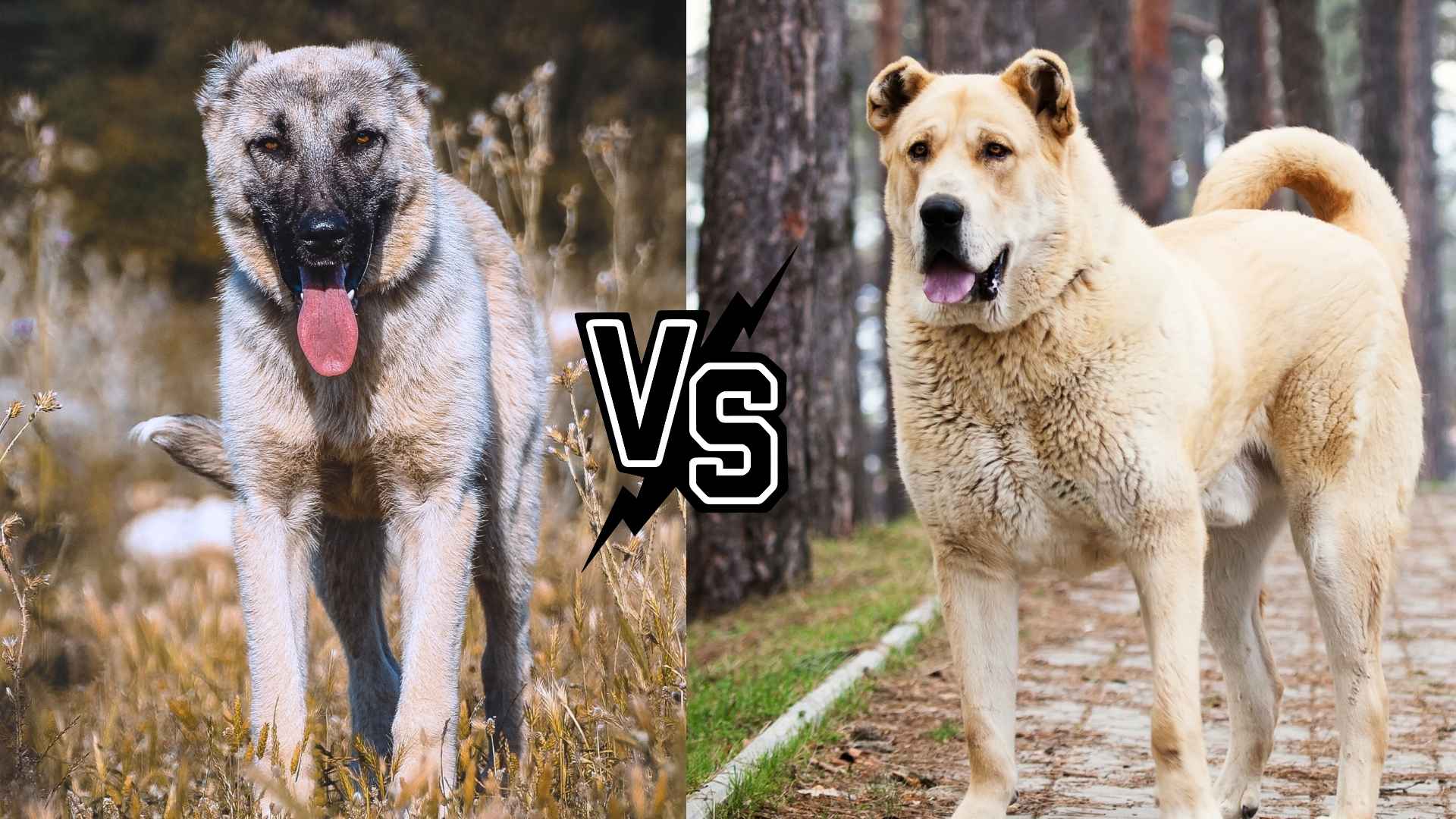
For centuries, two giant breeds have roamed the land, guarding families and livestock with unmatched strength. With ferocious loyalty and incredible bite force, these dogs have earned their place among the most powerful breeds in the world. Today, we dive into a battle of strength and protection, the ultimate comparison between two legendary breeds.
From the rugged mountains to the vast plains, these dogs have been raised to guard what they love. Their genetics are influenced by centuries of working alongside humans, fighting off dangerous predators like wolves and bears. These two breeds have captured the hearts of owners around the world.
Read on to explore the fierce competition, loyalty, and strength that make these breeds extraordinary. Who will come out on top in the ultimate showdown of power and protection? The journey to understanding their unique traits starts here.
Kangal vs. Alabai
The Kangal and Alabai are both renowned for their role as powerful protectors. Originating from Turkey and Central Asia, these dogs were specifically bred to safeguard livestock and families from dangerous predators such as wolves and bears. Their histories are deeply intertwined with the cultures of their regions.
Through generations, both breeds developed strong instincts for defending territory, making them indispensable working dogs. They were trained to protect not only livestock but entire settlements, demonstrating immense courage and loyalty to their families. Today, both breeds are still highly regarded for their protective nature.
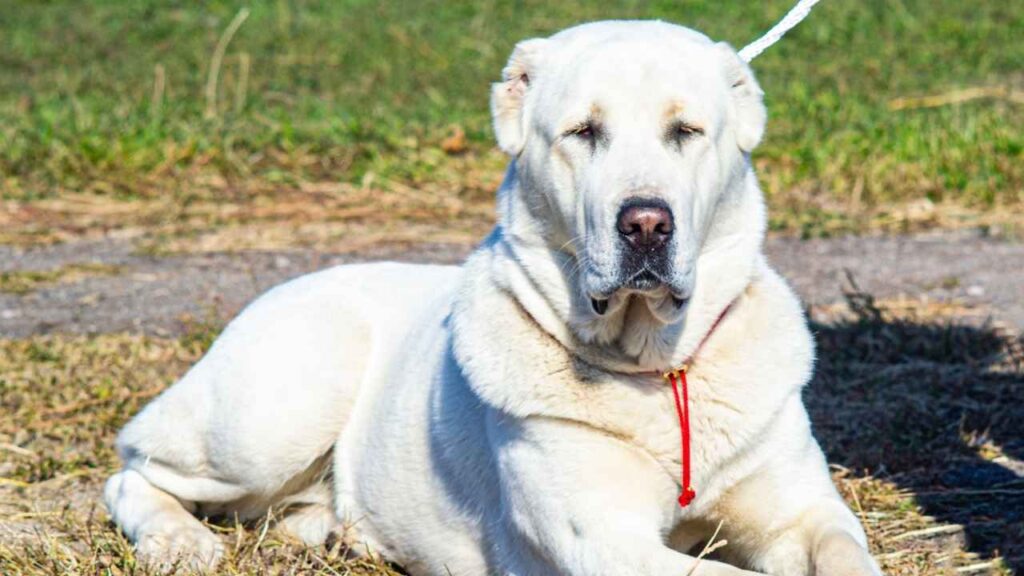
These dogs remain symbols of strength and loyalty. They continue to fulfill their guarding roles in modern society, proving their worth as protectors in an ever-changing world.
Origins and History
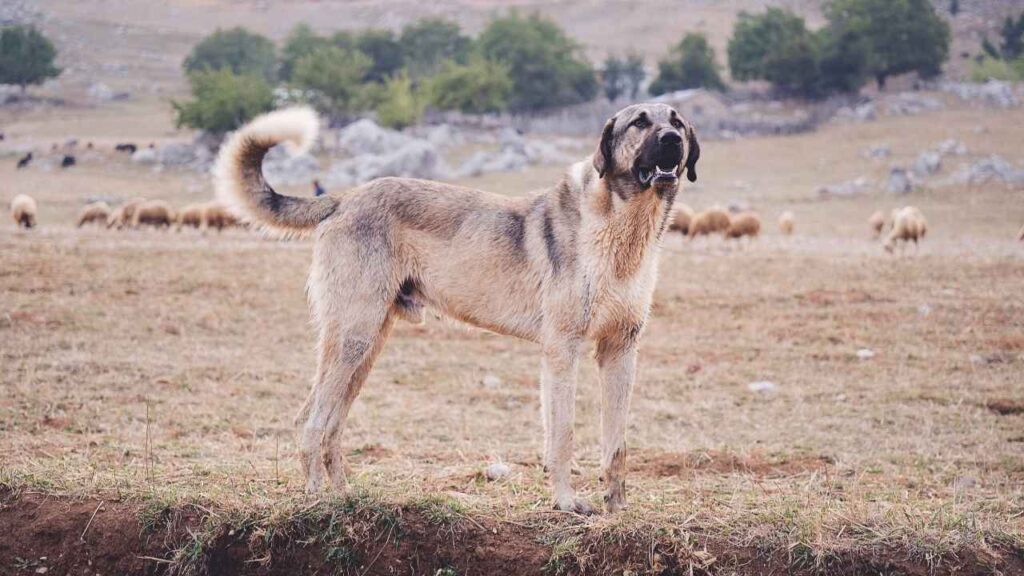
The Kangal from Turkey was bred to protect livestock against predators. This breed has a long history of working alongside people, particularly in rural areas where their protective abilities are essential for survival.
The Alabai, or Central Asian Shepherd dog, was raised in harsh conditions by nomadic tribes. Its primary purpose was to defend livestock and human settlements from wild predators, including wolves and bears, throughout Central Asia.
Both breeds have played vital roles in their regions for centuries. While their specific roles have evolved, their loyalty and protection remain central to their identity and purpose.
Physical Appearance
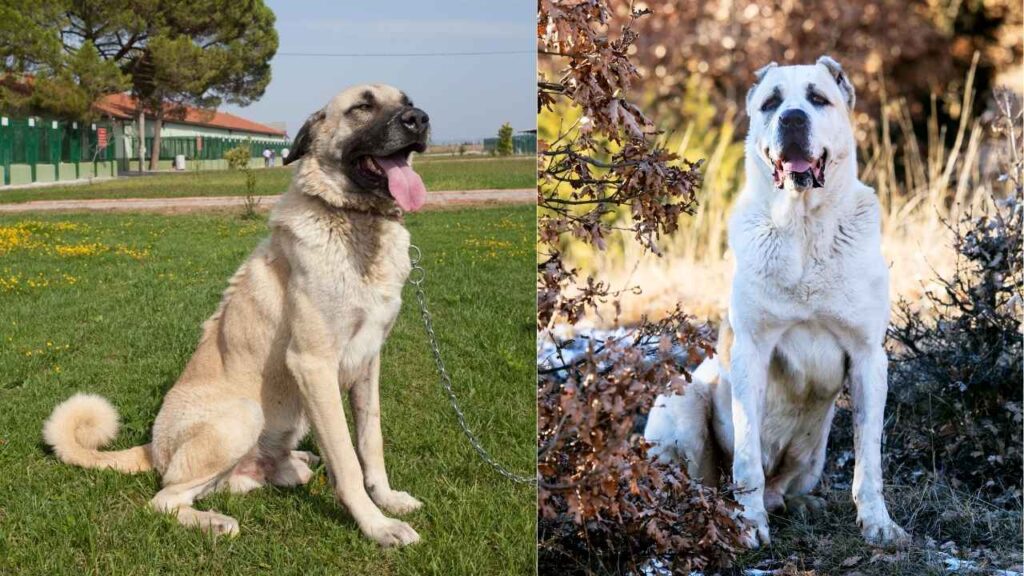
The Kangal and Alabai have distinct physical appearances, showcasing their unique traits as powerful guard dogs. Each breed’s look reflects its protective purpose and evolutionary history.
Coat and Color Variations
The Kangal has a short, dense, double-layered coat that is usually fawn with a black mask. Its coat offers protection in harsh climates and blends well with its environment. The Alabai, however, has a thick, dense coat that comes in various colors, including white, gray, and black, often with distinct patches.
Distinct Features and Markings
The Kangal has a broad head, muscular neck, and large body, with a signature black mask on its face. Its features emphasize strength and authority. The Alabai, in contrast, has a similarly large, strong frame, but its markings, including a dark mask and varying colors, make it stand out.
Facial Characteristics and Expressions
The Kangal’s face is strong, with a square-shaped muzzle and deep, alert eyes that show its protective instincts. The Alabai’s face is equally broad, with almond-shaped eyes that express intelligence and vigilance, reflecting its role as a fearless guardian.
Temperament and Behavior
The Kangal and Alabai have unique temperaments and behavior traits shaped by their origins. Their protective instincts and roles as guard dogs make them highly valued. However, these breeds vary in how they express loyalty and handle situations.
Protective Nature and Loyalty
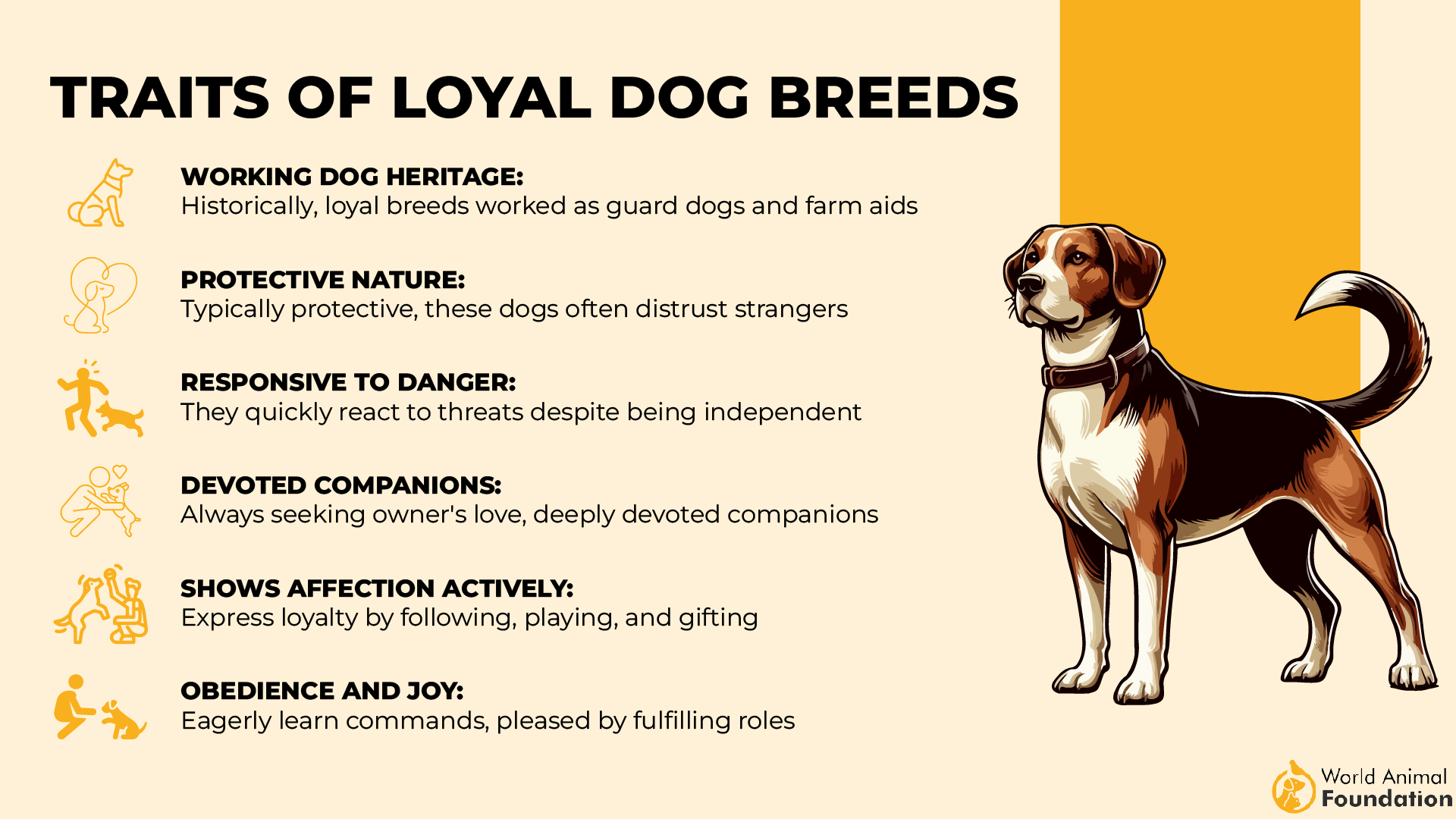
Kangals are known for their fierce loyalty and protective nature, particularly toward their family. Their strong bond with their owners makes them exceptional guardians. Similarly, PetMD mentions that Alabais are loyal and protective, defending livestock and territories and showing deep attachment to their family.
Guarding Instincts
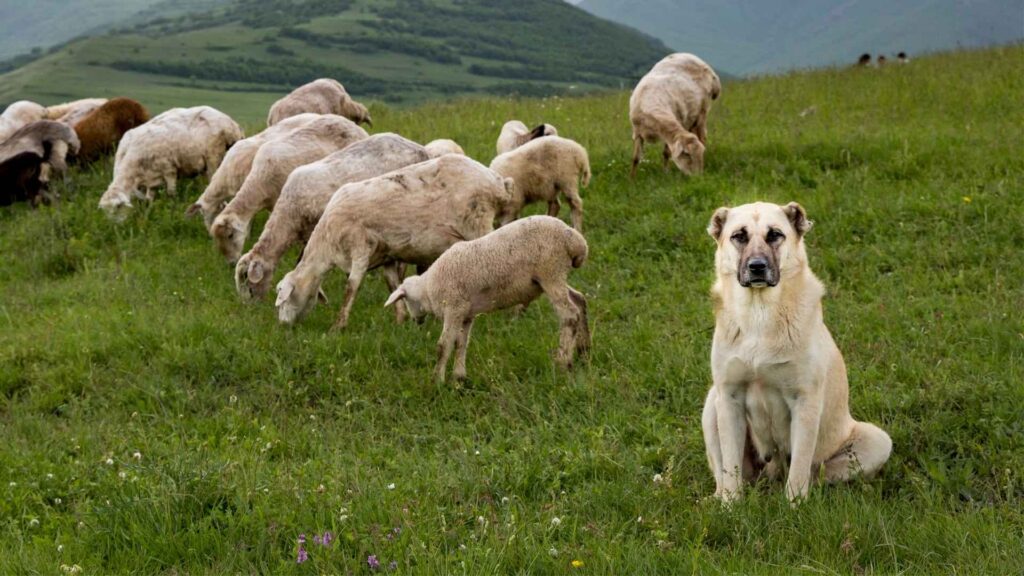
The Kangal’s guarding instincts are highly refined, especially when protecting livestock from dangerous predators like wolves. Alabais also possess excellent guarding instincts, historically protecting vast territories from wolves and bears. Both breeds excel in safeguarding their homes and families.
Training Response and Obedience
Kangals respond well to training, though their independent nature may require consistent discipline. Alabais, known for their strong instincts, need firm, experienced handlers to guide them. Both breeds benefit from structured training to maintain good behavior and obedience.
Behavior Toward Other Dogs and Packs
Kangals can be protective of their territory and family, sometimes showing aggression toward unfamiliar dogs. Alabais are more likely to display dog-aggressive behavior, especially when protecting their territory, but they can coexist peacefully with dogs in their pack or family.
Size and Strength
The Kangal typically weighs between 90 and 130 pounds and stands 30 to 32 inches tall at the shoulder. Known for its incredible bite force, this breed’s strength is crucial for guarding livestock against dangerous predators in the Middle East, where it originated.
The Alabai is larger, weighing 110 to 170 pounds and standing 27 to 32 inches at the shoulder. Its size and strength make it an excellent protector of livestock, particularly in harsh conditions where it guards against dangerous dogs and large predators.
Both breeds share impressive size and strength, essential for their roles as protectors. While the Kangal may have a more compact frame, the Alabai’s larger size gives it an advantage when defending against threats, making both dogs highly valued for protective purposes.
Adaptability
Kangals are highly adaptable, thriving in both rural and urban environments. They are particularly well-suited to guarding livestock in harsh conditions. Their adaptability is important in areas where they defend territory against dangerous dogs and large predators.
The Alabai, which originated in the vast Central Asian steppes, is also highly adaptable. These dogs can live in various climates, from extreme cold to hot environments. Their ability to adapt to different terrains makes them excellent working dogs in varied conditions.
Both the Kangal and Alabai are adaptable breeds, excelling in guarding and livestock protection. While WebMD explains that Kangal is more suited for moderate climates, the Alabai’s strength lies in its ability to endure tougher, more extreme environmental conditions.
Work and Purpose
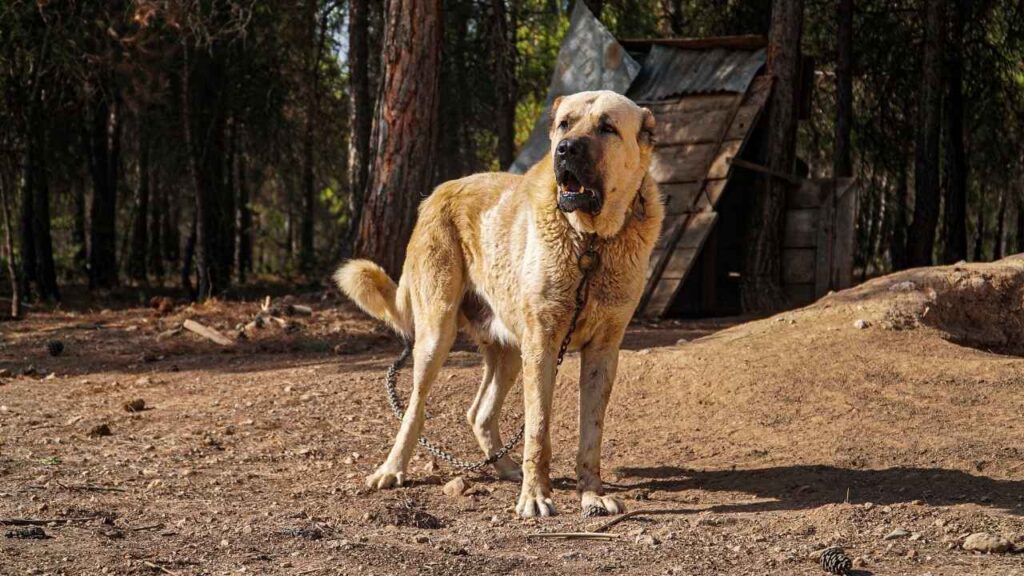
The Kangal’s primary role is guarding livestock from predators like wolves and bears. Their exceptional bite force and protective instincts make them invaluable working dogs. Historically, they have been crucial to Turkish farmers, protecting their herds from danger.
Alabais are bred for similar purposes. They are often used to guard livestock and protect families in harsh climates. Their strength and size are vital in defending against dangerous animals and intruders. These dogs have a long history of working for Central Asian shepherds.
Both breeds share the same fundamental purpose: protection. While the Kangal excels in guarding livestock in Turkey, the Alabai’s primary role is defending territories across Central Asia, making them indispensable for protecting and working purposes.
Training and Socialization
The Kangals require early training to properly socialize and adapt to new environments. They are highly intelligent but can be independent and stubborn. Proper training helps control their protective instincts, preventing aggressive behavior toward unfamiliar dogs.
Alabais also require consistent training from a young age, especially to curb dog-aggressive tendencies. Due to their independent nature, these dogs need firm, experienced handlers. Socialization ensures they fit well within family environments and with other animals.
Both breeds benefit greatly from training and socialization. While the Kangal is quick to learn, the Alabai may need more time to adjust. Training these powerful dogs ensures they remain loyal, well-behaved protectors without excessive aggression.
Which Is Right for You?
When deciding between the Kangal and Alabai, it’s important to consider the environment and purpose. The Kangal thrives in moderate climates and smaller areas. It is commonly used in Turkey to guard livestock and protect families from predators like wolves. The kangal bite force is often praised in research for its incredible strength.
The Alabai, on the other hand, is more suited for larger properties and harsh climates. Originating in Central Asia, this breed excels at protecting livestock and families in extreme conditions. They face dangerous dogs and predators and have been heard to jump and kill when necessary to defend themselves.
Both breeds are strong protectors but differ in size and environmental adaptability. The Kangal is ideal for less extreme conditions, while the Alabai can endure harsher climates and larger spaces. Additionally, their strength and loyalty to family make them highly wanted breeds for guarding purposes.
Conclusion
You might be wondering who wins this comparison between Kangal and Alabai. The Kangal seems to have the edge with its impressive kangal bite force and agility, making it a top choice for guarding livestock and families.
However, the Alabai isn’t far behind. Its larger size and incredible resilience in harsh environments make it a powerhouse. The Alabai thrives in extreme conditions, where its strength helps it safeguard vast territories from dangerous predators.
Ultimately, the choice depends on your needs. Both breeds are exceptional protectors, but choose the one that best fits your environment, lifestyle, and protective requirements!