

WorldAnimalFoundation.org is reader-supported. When you buy through links on our site, we may earn an affiliate commission. Learn More
Dogs aren’t just pets; they’re our loyal companions, always ready to lift our spirits with their playful, wagging tails and heartwarming affection. Their innate empathy makes them perfect for bringing joy and comfort to those in need.
However, not all dogs are cut out for therapy work. A great therapy dog combines a loving nature with impeccable behavior. Whether they’re visiting hospitals, schools, or nursing homes, these dogs have a special role in providing comfort and support.
In this guide, we’ll dive into the world of great therapy dogs. You’ll learn what makes a therapy dog, their important role, and how they touch lives. Plus, we’ll highlight the best breeds for this noble work, helping you find the perfect furry companion for bringing smiles to those who need them most.
What are Therapy Dogs?
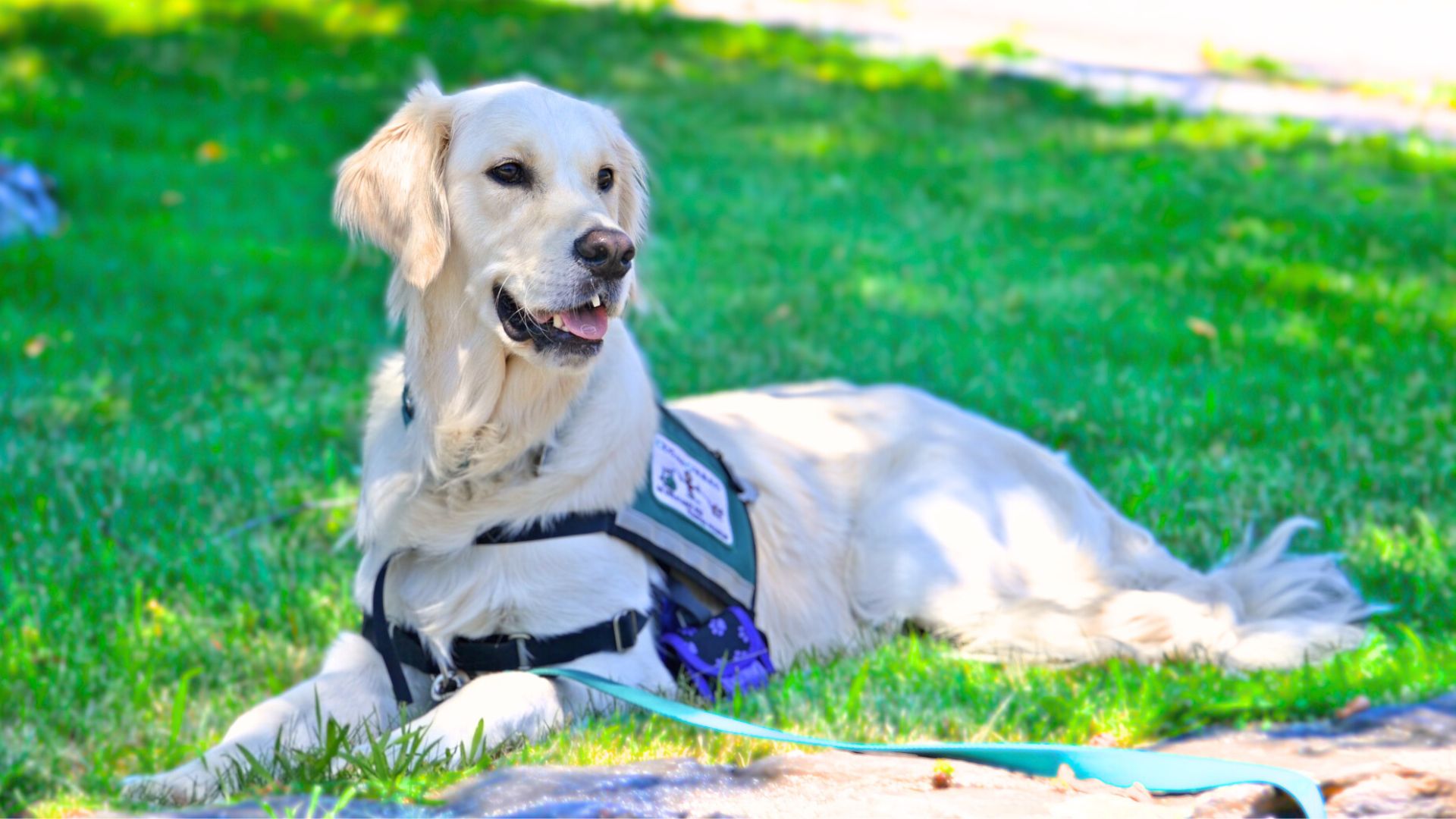
The concept of therapy dogs, pioneered in 1976 by registered nurse Elaine Smith, has evolved into a significant movement. Smith’s inspiration came from observing the positive impact a chaplain and her Golden Retriever had on hospital patients. Motivated by this, she initiated a small program with volunteers and their dogs to bring joy to patients.
The term ‘therapy dog’ might conjure up images of canines performing specialized tasks, but their role is beautifully simple yet profound: they bring comfort and joy to those in challenging situations.
Did you know that simply petting a dog can significantly reduce stress? This is where the magic of therapy dogs lies – in their ability to connect with and uplift people, regardless of their circumstances. There’s also animal-assisted therapy, a more structured approach where therapists incorporate animals, often dogs, into their sessions.
If you’re considering getting involved with a therapy dog, you’ll likely be part of a wonderful journey, visiting various places with your furry companion to spread cheer and companionship. This is an opportunity to not only enrich your own life but also to make a significant positive impact on the lives of others!
Best Dog Breeds for Therapy
Discover the best therapy dog breeds, known for their gentle nature and exceptional ability to provide comfort and support to those in need.
1. Golden Retriever
Golden Retrievers, one of America’s popular service dog breeds, excel as therapy dogs due to their unique blend of traits. They stand out with their patient and gentle nature, making them ideal companions for individuals requiring extra time and attention during therapy sessions.
Their high intelligence and trainability allow them to perform helpful tasks, such as fetching items for those with mobility challenges or offering a calming presence to alleviate anxiety. Particularly effective with children, their affectionate demeanor fosters strong, loving bonds.

Moreover, their calm and empathetic nature enables them to resonate deeply with their owner’s emotions, making them not just pets but insightful and attuned partners in therapeutic environments.
2. German Shepherd
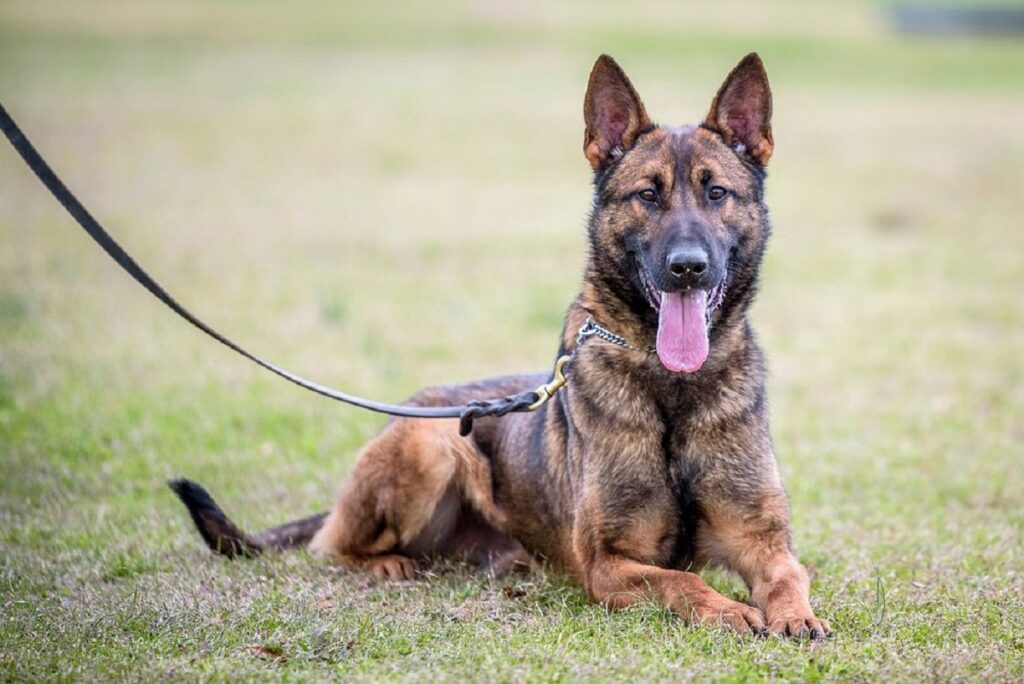
German Shepherds, often celebrated for their devotion and obedience, are also incredibly loving, making them excellent therapy dogs. Their natural intelligence and empathy enable them to intuitively comfort and respond to people’s needs.
Highly trainable, they adapt well to therapy dog roles, often excelling in tasks that require them to assist in physical activities due to their significant size. German Shepherds are known for their remarkable breed characteristics: a strong desire to please, outstanding work ethic, and unwavering loyalty.
They are incredibly courageous and display remarkable versatility, adept in various roles. With a temperament that balances calmness and alertness, they fit perfectly both as family dogs and trained work dogs. This unique combination of traits makes them excellent choices for service and therapy dogs.
3. French Bulldog
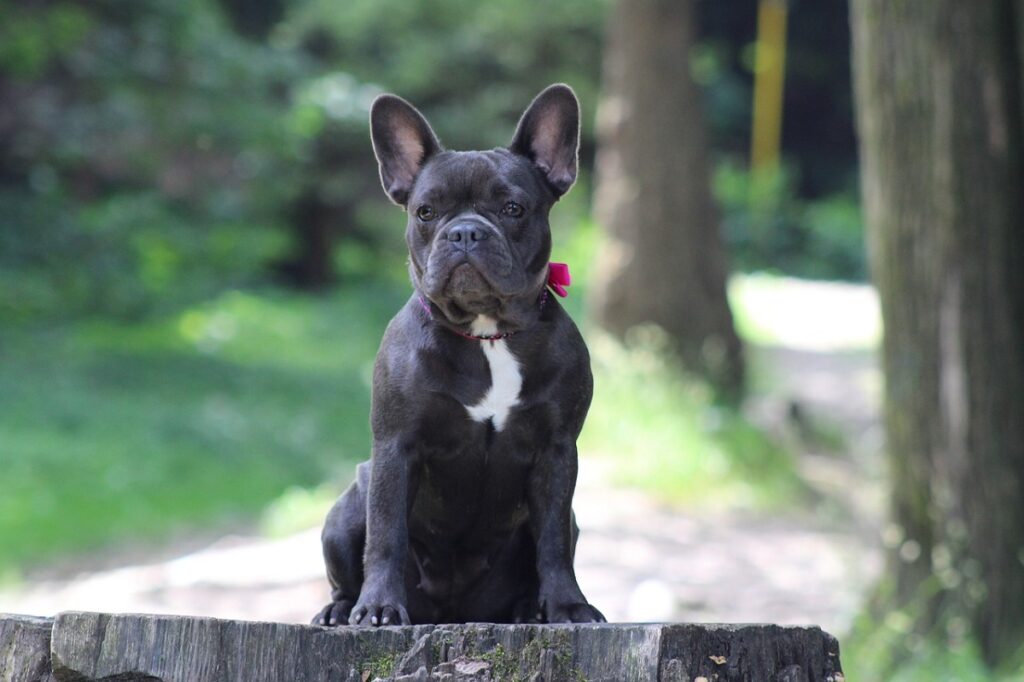
French Bulldogs are not only charming pets but also excel in therapy work due to their loving and sociable nature. These affectionate dogs thrive on human interaction and readily engage in fun activities, making them perfect for emotional support or therapy roles.
For individuals coping with trauma, anxiety, or depression, the presence of a French Bulldog can be incredibly comforting. Their companionship promotes the release of oxytocin, often referred to as the ‘feel-good hormone,’ which can alleviate feelings of sadness.
They are adept at sensing emotions, interpreting facial expressions, and understanding gestures, often seeming to have an innate sense of how people are feeling. As a breed with a long history of being companion animals, French Bulldogs are known for their patience with children, friendliness towards strangers, and strong loyalty to their families.
4. Bichon Frise
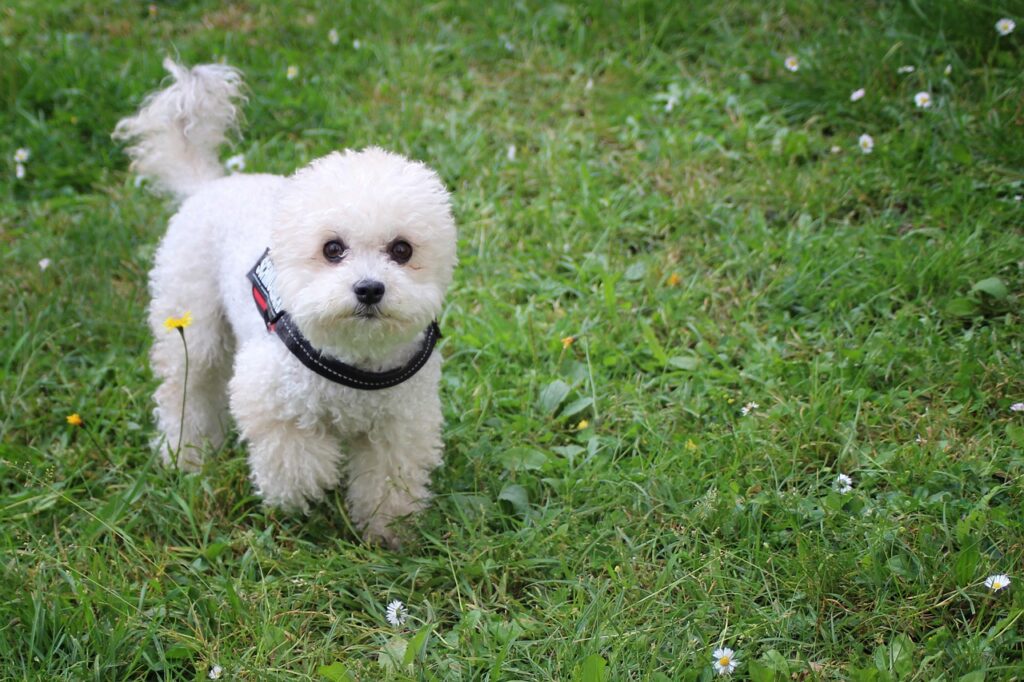
Bichon Frises have gained popularity as therapy dogs for several compelling reasons. Firstly, their size is ideal – small enough to be comfortably carried and transported, yet substantial enough to provide meaningful comfort and support. Known for their toy-like appearance, Bichon Frises exude cuteness and a cheerful demeanor, coupled with a mischievous yet loving nature.
Their gentle disposition is particularly effective in therapeutic settings, helping to ease anxiety and create a calming atmosphere. Bichon Frises are incredibly friendly and do not distinguish between family and strangers; to them, everyone is a friend, enhancing their suitability as therapy dogs.
Their patience, gentleness, and spirited personality make them great companions for children, and their cheerful nature can brighten anyone’s day, providing constant comfort. Lastly, their intelligence makes them highly trainable for various tasks in therapy sessions, allowing them to be versatile and effective helpers in different therapeutic environments.
5. Yorkshire Terrier

Yorkshire Terriers, affectionately known as Yorkies, are small in size but have a big impact as therapy dogs. Their loving and affectionate nature makes them excellent at comforting and being around people, a key trait for therapy work.
Despite a reputation for being vocal and assertive, Yorkies are incredibly intuitive. They have a remarkable ability to sense people’s emotions and respond in ways that provide comfort and support. This high level of intuition is what makes them stand out as therapy dogs; they not only offer companionship but can also alert others when something seems amiss.
Their small size is an advantage, making them easy to care for and suitable for even limited spaces, which is often the case in therapy settings. Yorkies are entertaining and adaptable, able to find contentment in various environments. Additionally, their trainability is a significant asset for therapy dog work, allowing them to learn and perform tasks that aid in therapeutic sessions.
6. Pomeranian
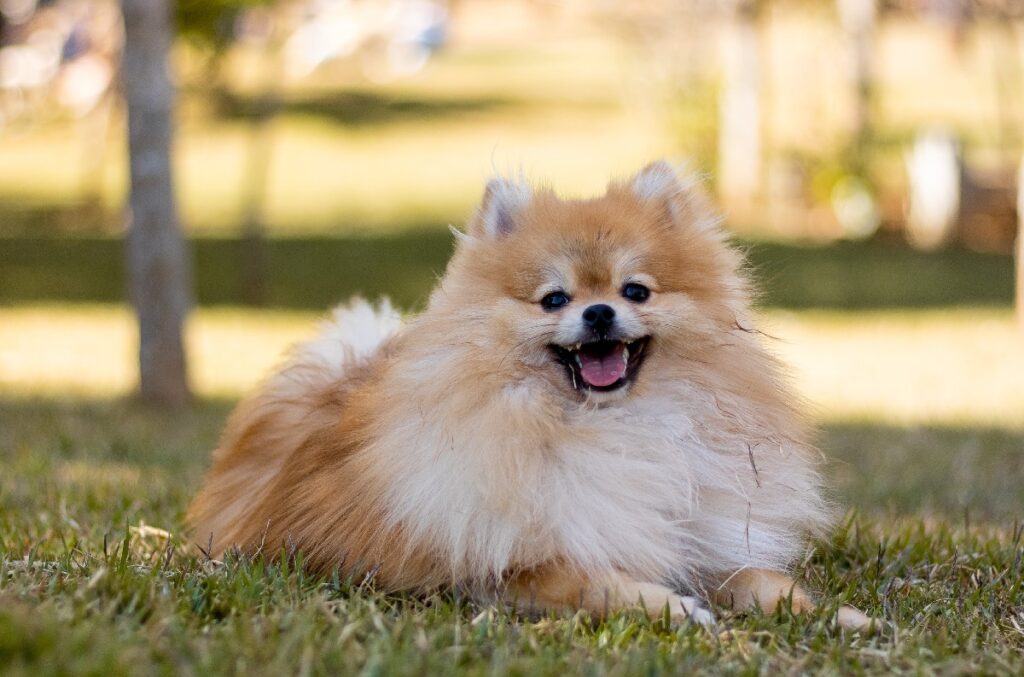
Pomeranians are not just perfectly sized for snuggling up on a patient’s lap; they are also brimming with personality. Recognized by the AKC for excelling in various sports, including agility, Pomeranians are also outstanding as therapy dogs. Their success in therapy roles stems from their outgoing personalities and their ability to remain calm and content in busy or bustling environments.
Pomeranians are particularly well-suited for individuals seeking a small, soft companion to assist with conditions like anxiety or PTSD. Their tremendous loyalty means they are often glued to their owner’s side, offering constant companionship and support.
Additionally, these petite dogs are intelligent and obedient, qualities that are essential in the sometimes challenging scenarios encountered in therapy work. Their ability to adapt to and perform well in various situations makes Pomeranians an excellent choice for those in need of a small but mighty therapy dog.
7. Beagle
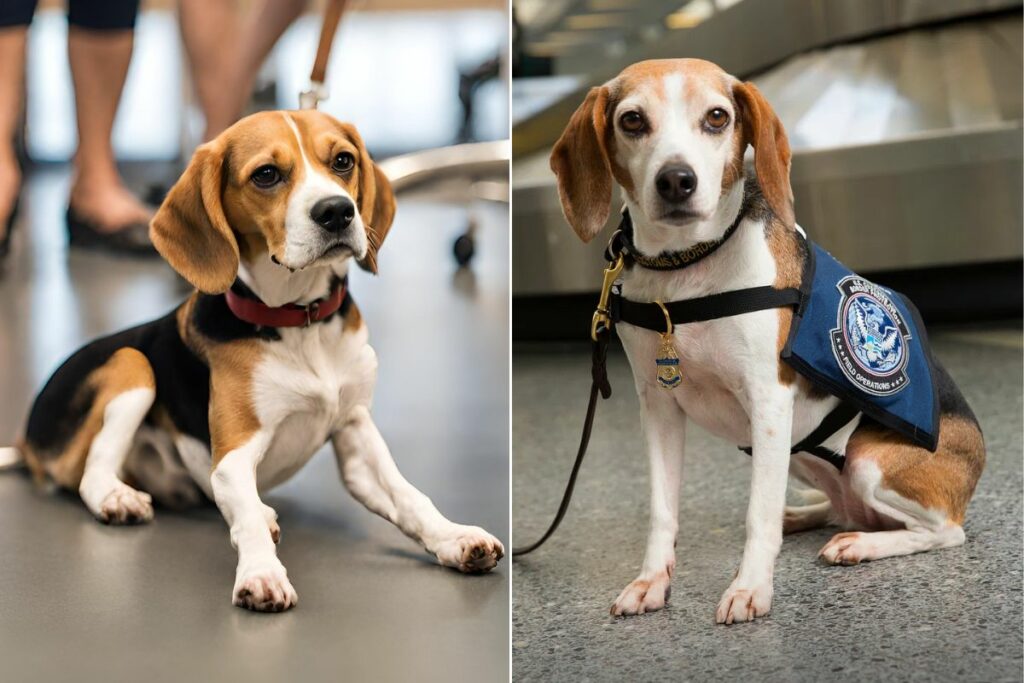
Beagles, with the right training, make exceptional therapy dogs thanks to their confident, lively, and playful nature. One of the Beagles’ most endearing traits is their love for human interaction. They thrive in environments with children, making them ideal for family settings, as well as in retirement and nursing homes where their friendly disposition and eagerness for attention can brighten the days of many.
Compact and robust, a beagle is not only an excellent companion for children and adults but also valuable in therapeutic settings. Their playful and gentle nature makes them particularly suitable for therapy roles involving children, and they relish every opportunity to be around people.
It’s important to note that Beagles, being both stubborn and super smart, require thorough and consistent training. This ensures they remain well-behaved and focused during therapy sessions, preventing any mischievous behavior that could arise from their curious nature.
8. Labrador Retriever

The Labrador Retriever, developed from Canadian fishing dogs, stands as one of the most beloved dog breeds worldwide. Their suitability as therapy dogs is largely due to their outgoing, friendly personalities, combined with a gentle, patient, and intelligent nature. These qualities make them particularly adept at comforting people who are ill or injured.
Labradors have an innate love for people, making them versatile in working with all age groups. Often referred to as the quintessential ‘family dog,’ their cheerful disposition makes them a top choice not only for therapy work but also for various types of service dog roles, including guide and medical alert dogs, as well as psychiatric service assistance.
Their intelligence and eagerness to learn new tasks make Labradors particularly effective when working with children, offering both calmness and patience in their interactions. Additionally, their trainability is a significant advantage in therapy work, enabling them to master specific tasks required in therapeutic settings, making them not just companions but skilled helpers as well.
9. Standard Poodle
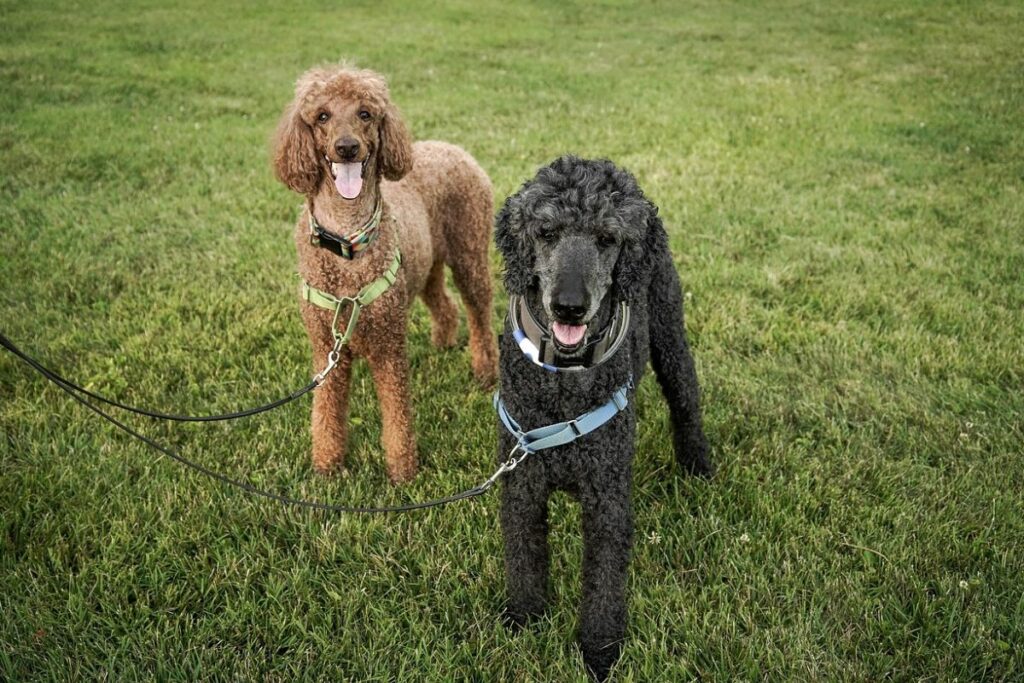
Poodles, renowned for their intelligence and amiable nature, are ideal candidates for therapy dogs. Their high intelligence means they have a remarkable capacity for learning tasks, and they are known for being easily trainable and eager to learn.
Standard Poodles, in particular, excel as therapy dogs for several reasons. Their exceptional intelligence and ease of training allow them to adapt quickly to the demands of therapy work. Their calm and gentle demeanor is especially beneficial when working with individuals who might be experiencing nervousness or anxiety.
Often utilized in therapeutic settings to alleviate anxiety, depression, or other mental health issues, Poodles have a soothing presence that can be remarkably beneficial. An added advantage of Standard Poodles is their hypoallergenic coat, making them suitable for individuals who have allergies to other dog breeds.
10. Maltese
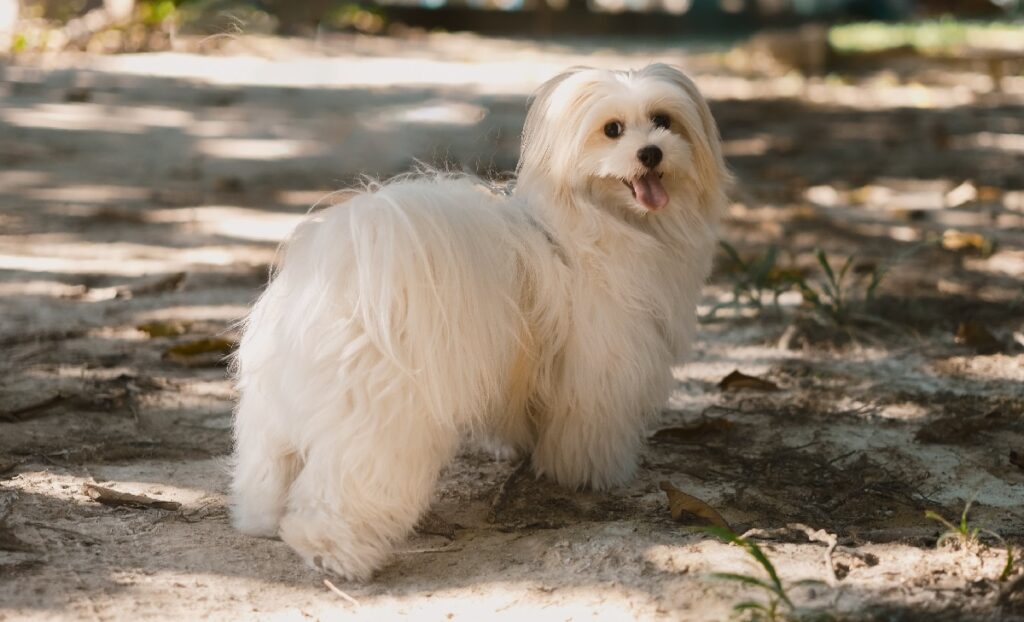
The Maltese dog breed, with its small and compact size, is exceptionally well-suited for therapy work. This breed is particularly beneficial for individuals coping with emotional or psychiatric conditions, as these dogs are not only portable but also love to be cuddled and thrive on human attention.
An effective therapy dog embodies traits like friendliness, patience, confidence, gentleness, and the ability to remain composed in various situations. The Maltese possess all these qualities, making them excellent in therapeutic roles. They are known for their intuitive and sensitive nature, which allows them to connect deeply with the people they are helping.
Renowned for their stunning, floor-length coat, Maltese are more than just their striking appearance. They are playful, charming, and adaptable, fitting perfectly into the toy companion category. Beyond their physical allure, Maltese are affectionate, intelligent, responsive, and trusting, making them great family dogs.
Conclusion
The journey to finding the best therapy dogs often begins with proper therapy dog training and obtaining therapy dog certification. Breeds like the Cavalier King Charles Spaniel stand out as excellent choices.
These popular dog breeds are not only emotionally supportive but also easy to train, making them ideal service dogs. The role of emotional support animals is vital, and with the right training, these good therapy dogs can significantly enhance the lives of those they serve.
Their ability to provide comfort, companionship, and support showcases the incredible bond between humans and dogs.