

WorldAnimalFoundation.org is reader-supported. When you buy through links on our site, we may earn an affiliate commission. Learn More
Did you know that dogs can sense your emotions? That’s right—your furry friend might be the best therapist you never had (and they work for belly rubs!).
Whether you’re feeling down or just need a cuddle buddy, certain breeds are born to be emotional support all-stars. These four-legged companions don’t just offer love; they dish out tail wags, wet-nosed kisses, and an unbreakable bond.
From snuggle pros to devoted and smartest sidekicks, we’ve rounded up the top seven pups who excel at lifting spirits and warming hearts. No judgment, just unconditional love—even if you sing off-key or ugly cry during movies.
So, if you’re searching for a fluffy, most useful chum to be your emotional rock, you’re in for a treat (literally, they’d love one). Let’s dive into the ultimate list of loyal, loving, and life-changing dogs!
7 ESA Dog breeds
1. Golden Retriever
Golden Retrievers aren’t just dogs; they’re walking, wagging sunshine. With their gentle and affectionate nature, they can sense emotions like a furry therapist—minus the office fees. Whether you’re feeling blue or just need a snuggle, they’ll provide emotional support with tail wags and soulful eyes.
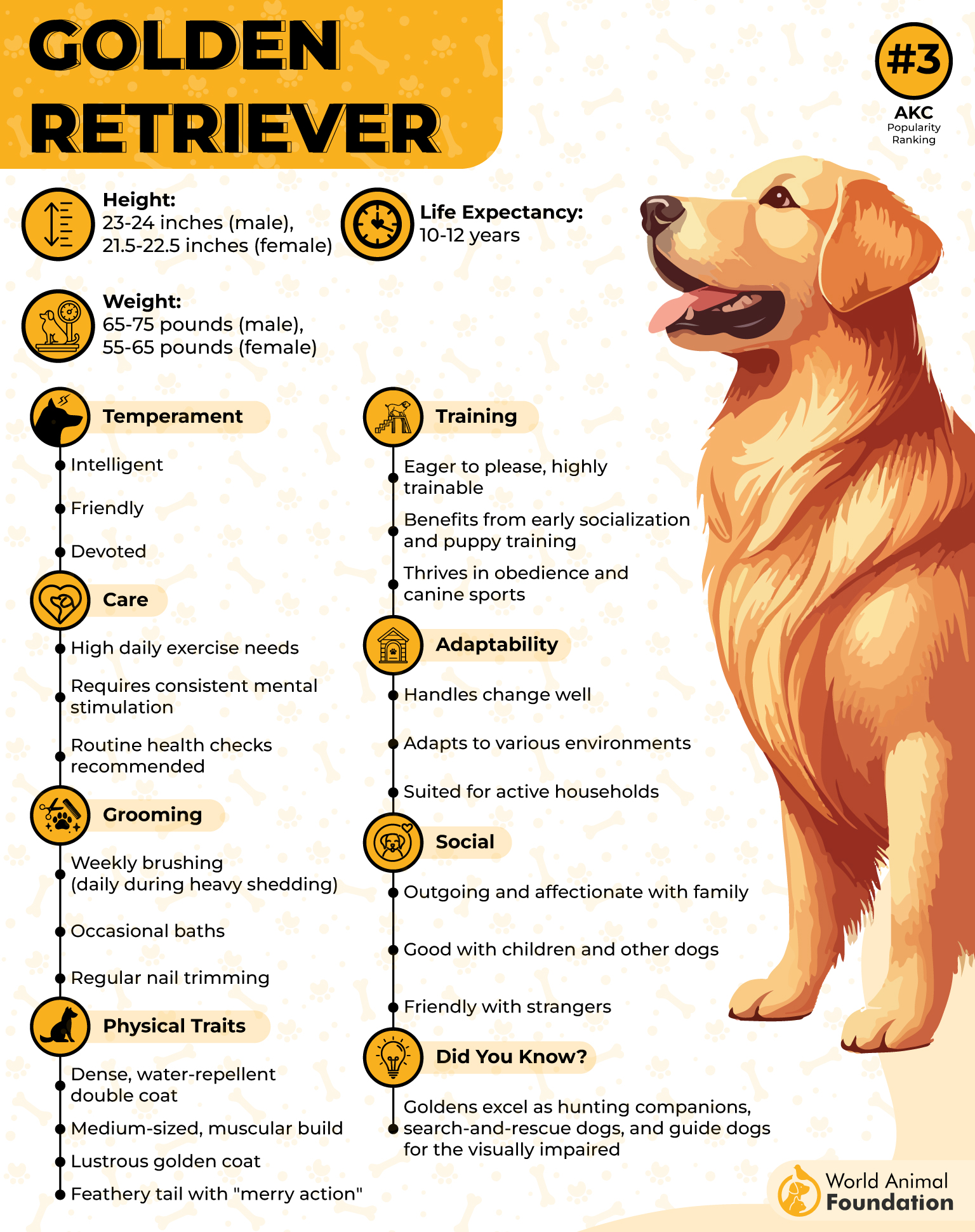
As excellent emotional support animals, their friendly and gentle nature makes them ideal for individuals struggling with anxiety and depression. They form strong bonds with their humans, always eager to lend a comforting paw. Unlike service dogs, they don’t need specialized training to bring joy—it’s just built into their DNA.
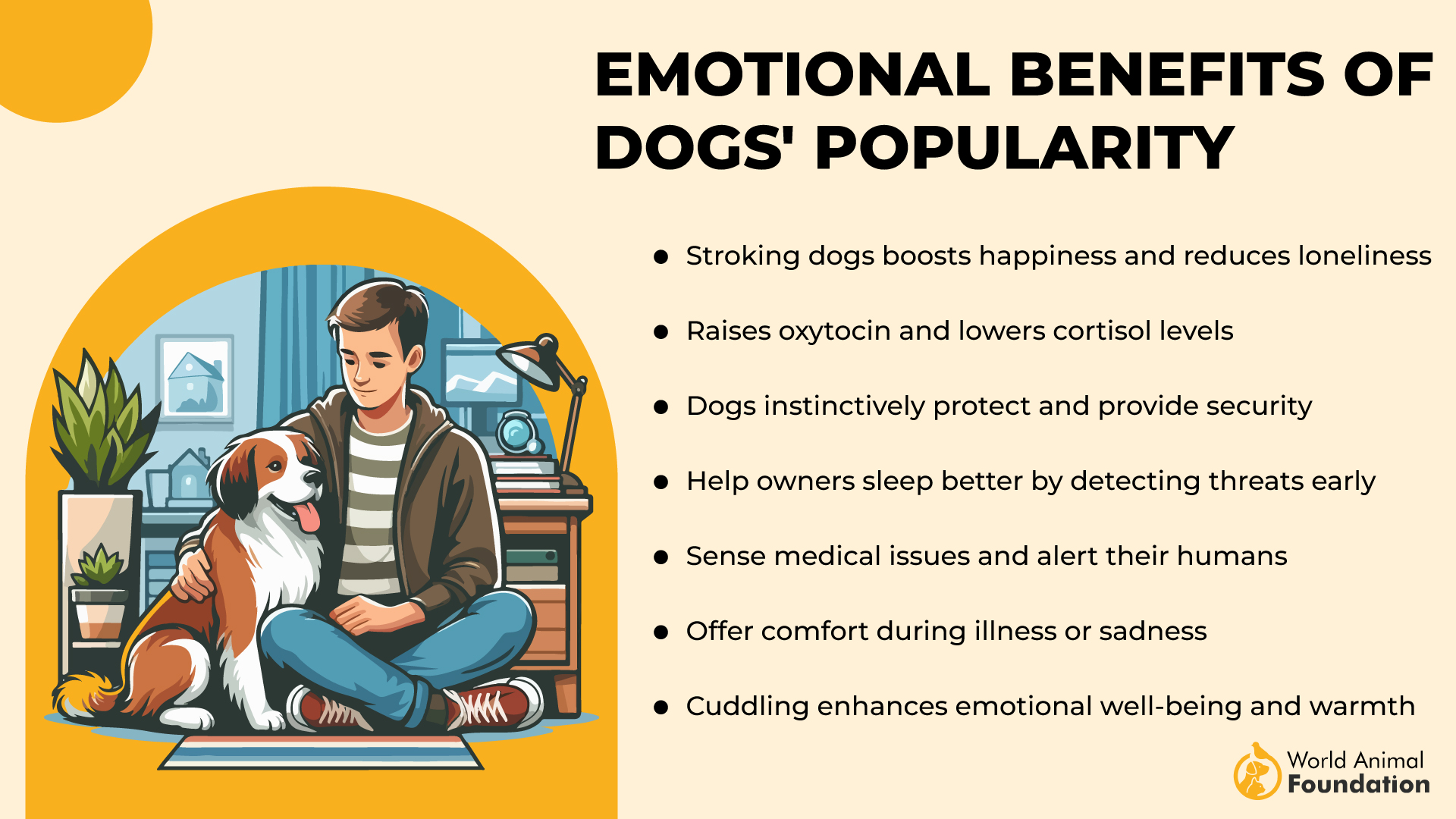
AKC reports that Goldens are high-energy, meaning they thrive on physical activity like long walks, fetch marathons, and zoomies in the park. But don’t worry, they’re just as happy curling up next to you after a tiring day. It’s the best of both worlds!
Their luscious golden coats? Absolutely gorgeous, but get ready for shedding season (aka, finding fur in places you didn’t know existed). Regular grooming helps, but let’s be real—you’ll always carry a little bit of them on your clothes.
They’re highly intelligent and easy to train, making them good emotional support dogs for first-time owners. Positive reinforcement works wonders—just be prepared to bribe them with treats.
Fun fact: Golden Retrievers are so friendly that they rarely make good guard dogs. Their idea of “protecting the house” is greeting intruders with a happy dance.
2. Labrador Retriever

If there’s one breed that deserves a gold medal in companionship, it’s the Labrador Retriever. These happy-go-lucky dogs are practically born to provide emotional support—they are loyal, loving, and always ready for belly rubs on demand.
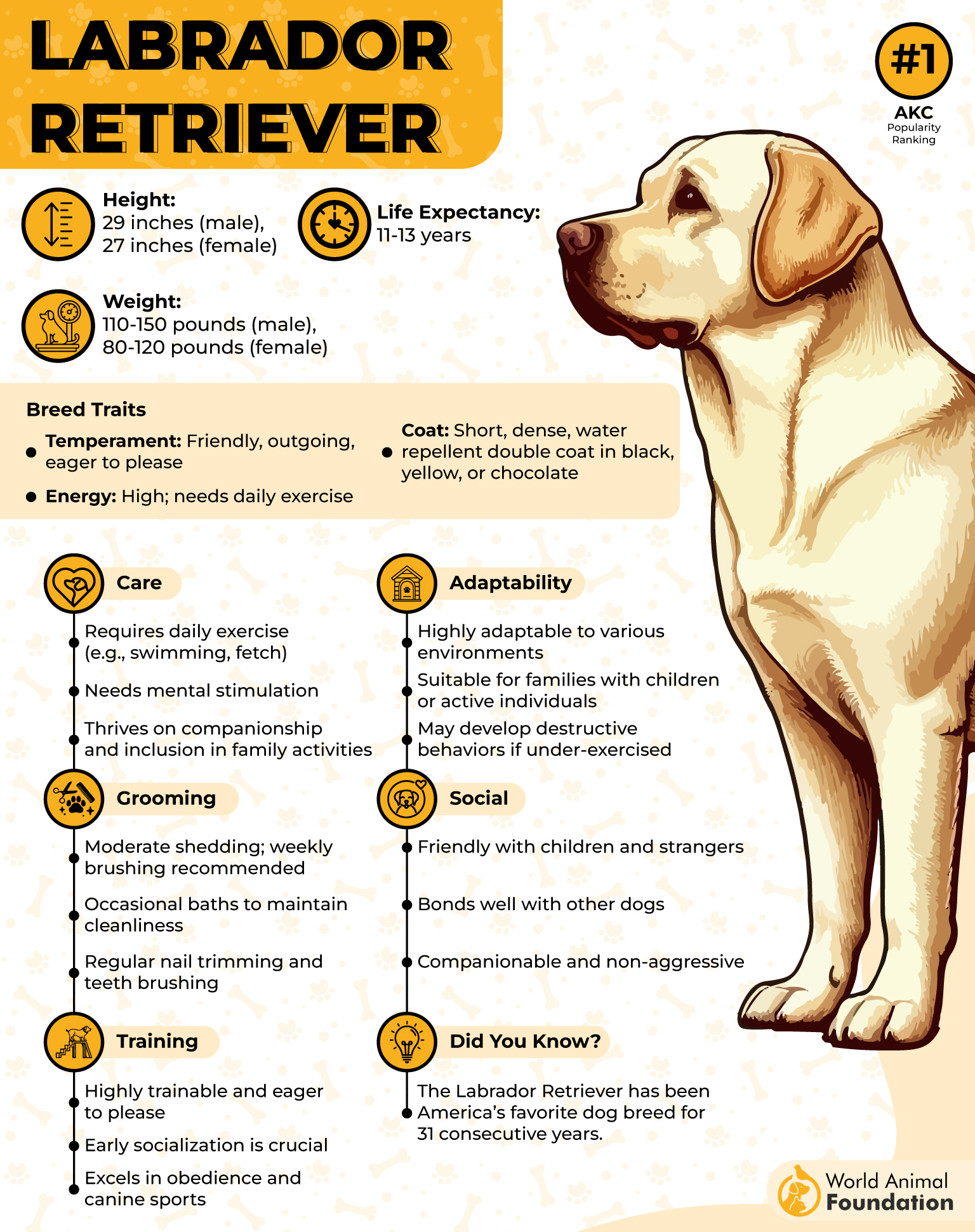
Labs have an innate ability to sense human emotions, making them excellent emotional support dogs for those dealing with mental health conditions. Whether it’s panic attacks or post-traumatic stress disorder, their calming presence helps keep emotions in check.
Unlike some other breeds, Labs are easy to train and incredibly smart. They love learning specific tasks, so whether it’s fetching the remote or reminding you to take a break, they’ll always be eager to help. Just don’t leave food unattended—Labs are notorious snack thieves.
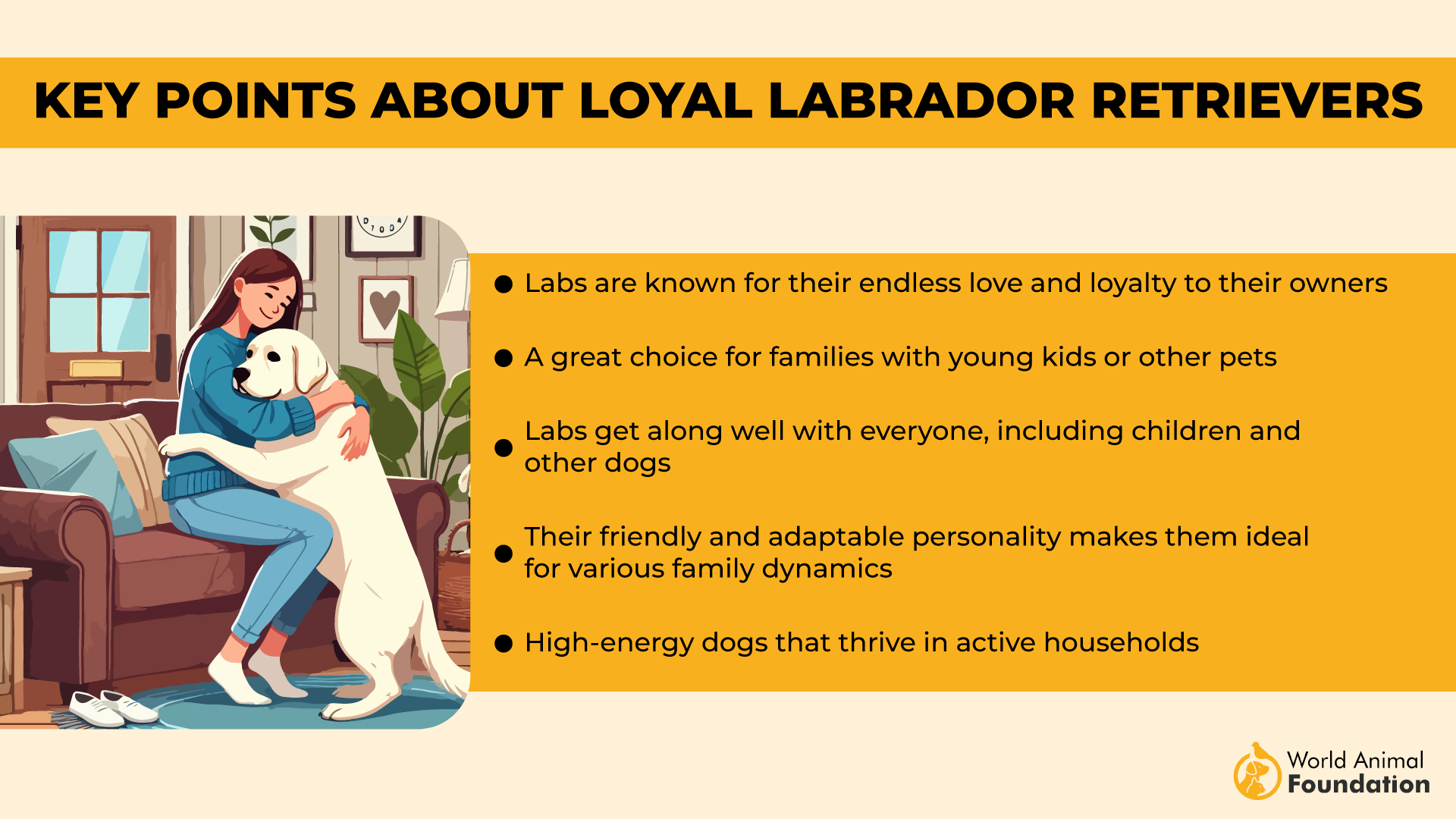
They’re high-energy and require plenty of physical activity—think long walks, swimming, or a good game of fetch. Without exercise, they might turn your couch into a chew toy (you’ve been warned).
While generally healthy, Labs are prone to weight gain if overfed. A balanced diet and regular exercise keep them fit, happy, and always ready for the next adventure.
Fun fact: Labs are such affectionate dogs that they’ll follow you everywhere—yes, even to the bathroom. Privacy? Never heard of it.
3. Cavalier King Charles Spaniel

Cavaliers are tiny therapy dogs in disguise—small in size but big on love. With their gentle demeanor and affectionate nature, they excel as ideal emotional support dogs, always ready for a cuddle session.
Britannica explains that these beautiful, silky-coated companions form strong bonds with their owners and thrive on human companionship. They don’t just sit next to you; they become your shadow, following you from room to room with heart-melting puppy eyes.
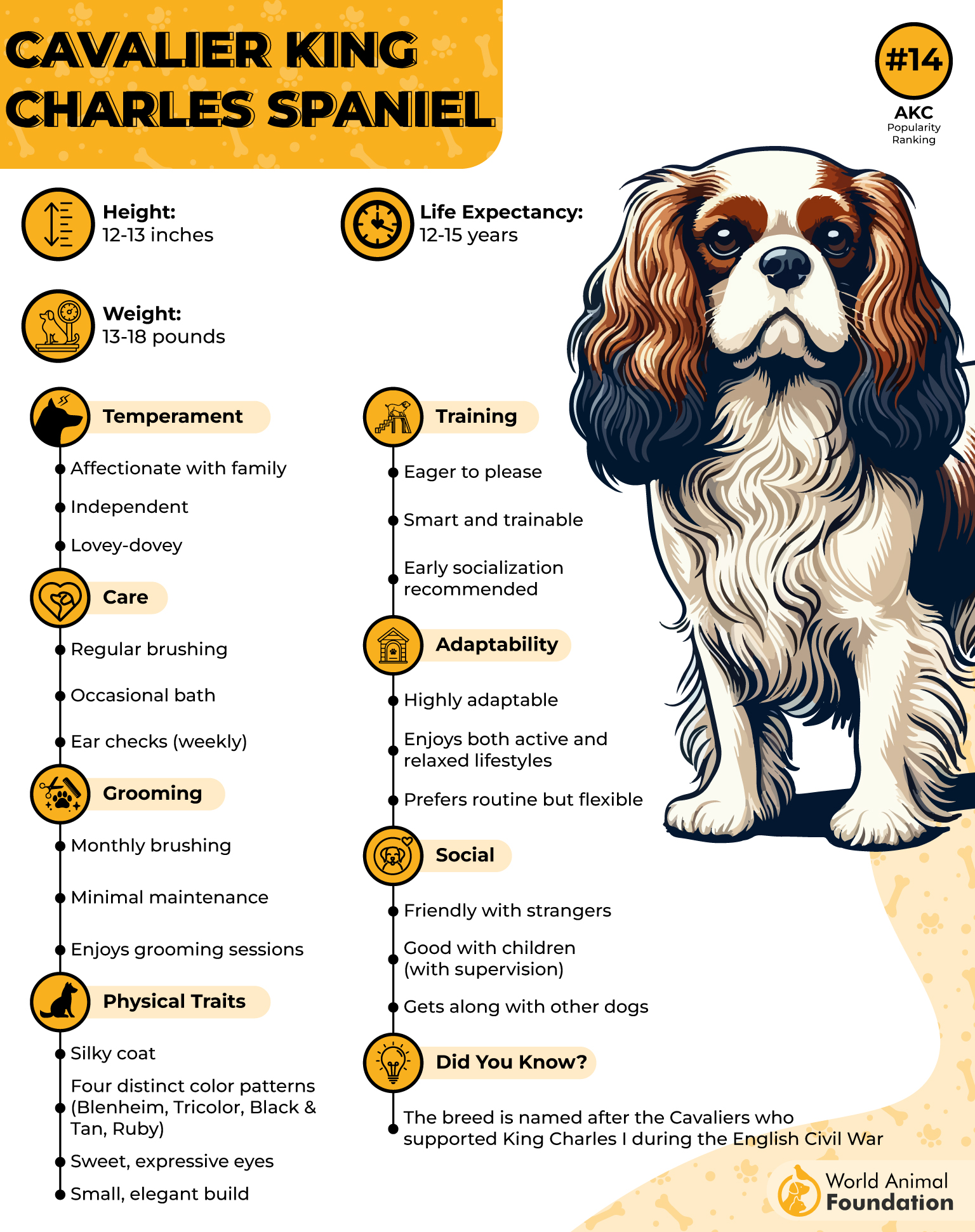
Unlike large dogs, Cavaliers are perfect for apartment living. They don’t need excessive exercise—just a few short walks and plenty of lap time to stay happy. However, they do crave attention, so be prepared for endless snuggles.
Though they have a friendly and affectionate nature, they can be a bit stubborn when it comes to training. Their highly intelligent minds sometimes work against them—why sit when they can charm their way into extra treats instead?
Health-wise, Cavaliers can be prone to heart issues, so regular vet check-ups are essential. But let’s be honest, they’ll probably charm the vet, too.
Fun fact: Cavaliers are so in tune with human emotions that they can sense sadness and respond with extra affection. They’re furry little therapists with floppy ears.
4. Poodle
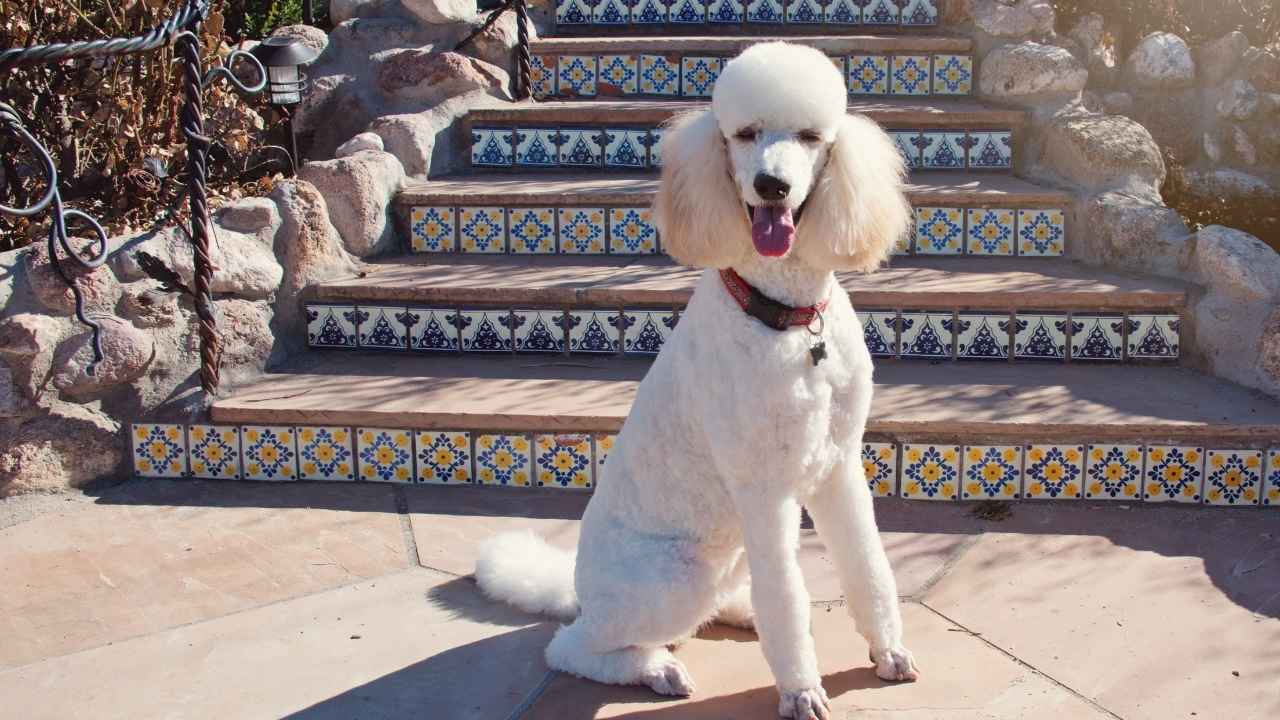
Poodles aren’t just fancy show dogs—they’re one of the most intelligent dog breeds, making them excellent emotional support animals. With their hypoallergenic coat and gentle demeanor, they’re great for individuals with mental health issues and allergies alike.
Unlike other breeds, Poodles come in three sizes—Standard, Miniature, and Toy—so whether you want a big cuddle buddy or a tiny lap companion, there’s a Poodle for every living situation.
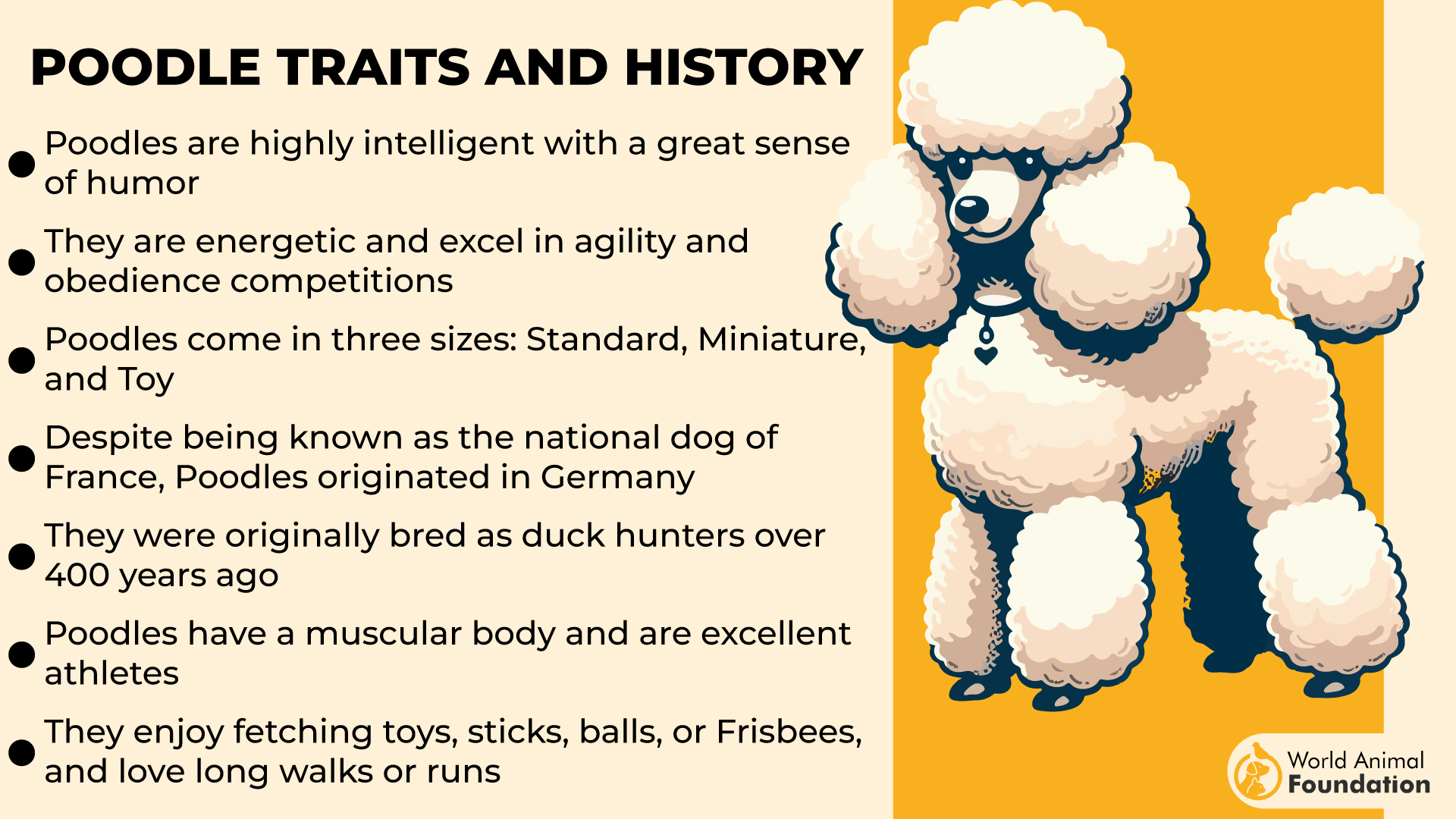
They thrive on mental stimulation, which means puzzle toys, training sessions, and interactive games keep them happy. If bored, they’ll find their entertainment—and you may not like the results (RIP to your favorite shoes).
Poodles are easy to train and can even learn specific tasks to support their owners. They excel in specialized training, making them great emotional support animals for those who need extra assistance.
Despite their elegant appearance, they’re playful, goofy, and full of personality. Underneath all that fluff is a loyal family member who loves nothing more than being your emotional rock.
Fun fact: Poodles were originally bred as hunting dogs, not lap dogs! That’s right—beneath the fancy haircuts, they’re hardworking, highly intelligent, and always up for an adventure.
5. Yorkshire Terrier

Tiny but mighty, the Yorkshire Terrier is proof that great emotional support animals come in small packages. These pint-sized pups may weigh less than your grocery bag, but they carry an oversized heart full of love and loyalty.
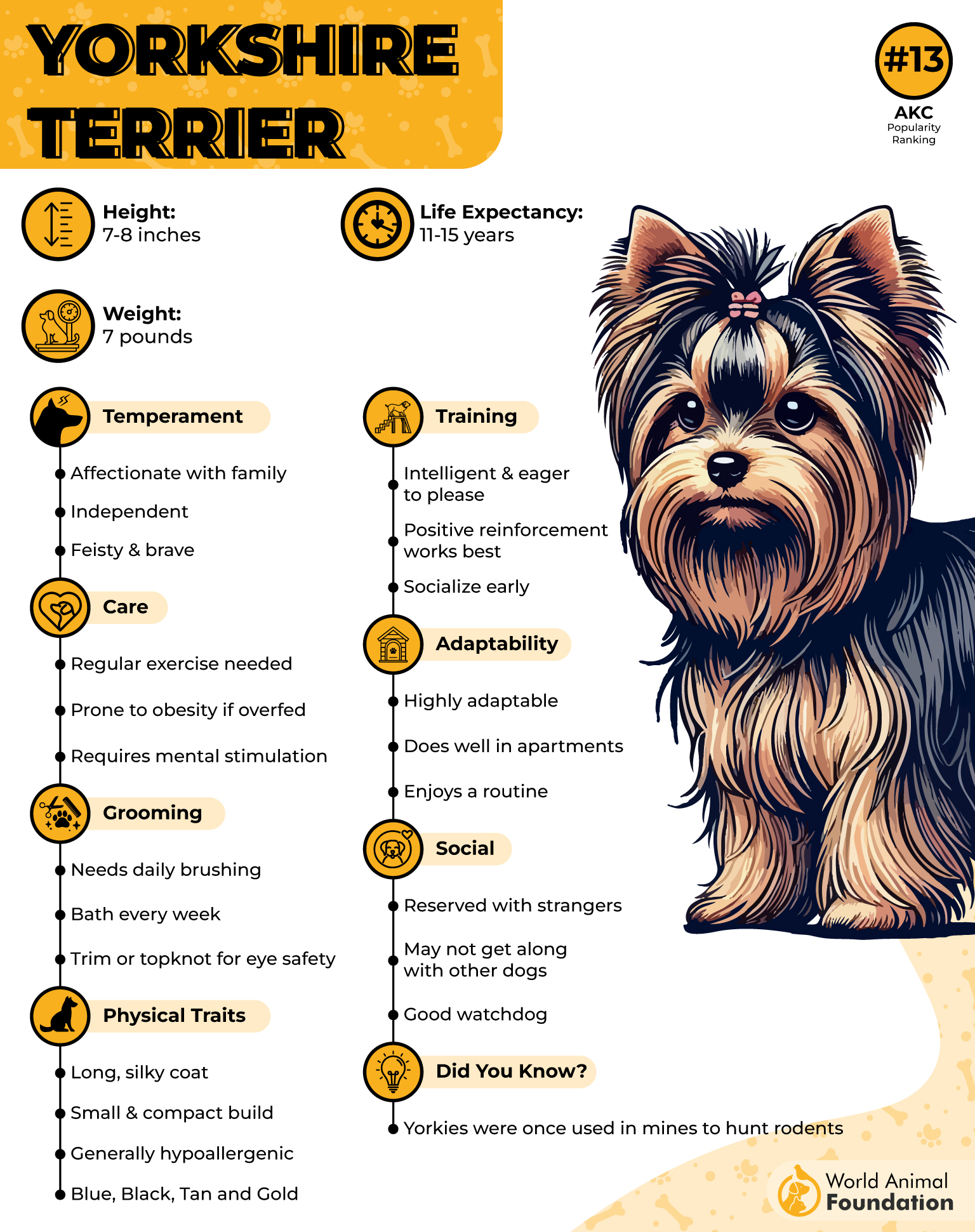
Petplan reveals that Yorkies thrive on human companionship and are excellent emotional support dogs for individuals who need a constant, cuddly sidekick. They’re always ready to snuggle on your lap, follow you everywhere, and give adorably judgmental side-eyes when you ignore them.
Unlike large dogs, Yorkies are perfect for apartment living. They require minimal physical activity—a short walk and a little playtime will keep them happy. However, their silky coat demands regular grooming unless you’re going for the “adorable mop” look.
Despite their tiny size, Yorkies have big personalities—they’re fearless, feisty, and sometimes too brave for their own good. Training helps curb their stubborn streak, but let’s be honest—they usually train their humans instead.
Health-wise, they can be prone to dental issues, so regular vet visits and a proper diet are essential. Also, don’t be surprised if they think they’re bigger than a Great Dane—it’s a Yorkie thing.
Fun fact: Yorkies were originally bred as working dogs to chase rats in textile mills. Now? They chase treats, attention, and your heart.
6. American Staffordshire Terrier

With a big heart and an even bigger smile, the American Staffordshire Terrier is one of the most affectionate dog breeds around. Despite their muscular build, they’re gentle, loving, and fiercely loyal—perfect for anyone in need of a cuddle machine with muscles.
AmStaffs form strong bonds with their humans, making them ideal emotional support dogs. They thrive on human companionship and are happiest when glued to your side (personal space? Never heard of it). If you’re feeling down, expect a giant head resting on your lap until you feel better.
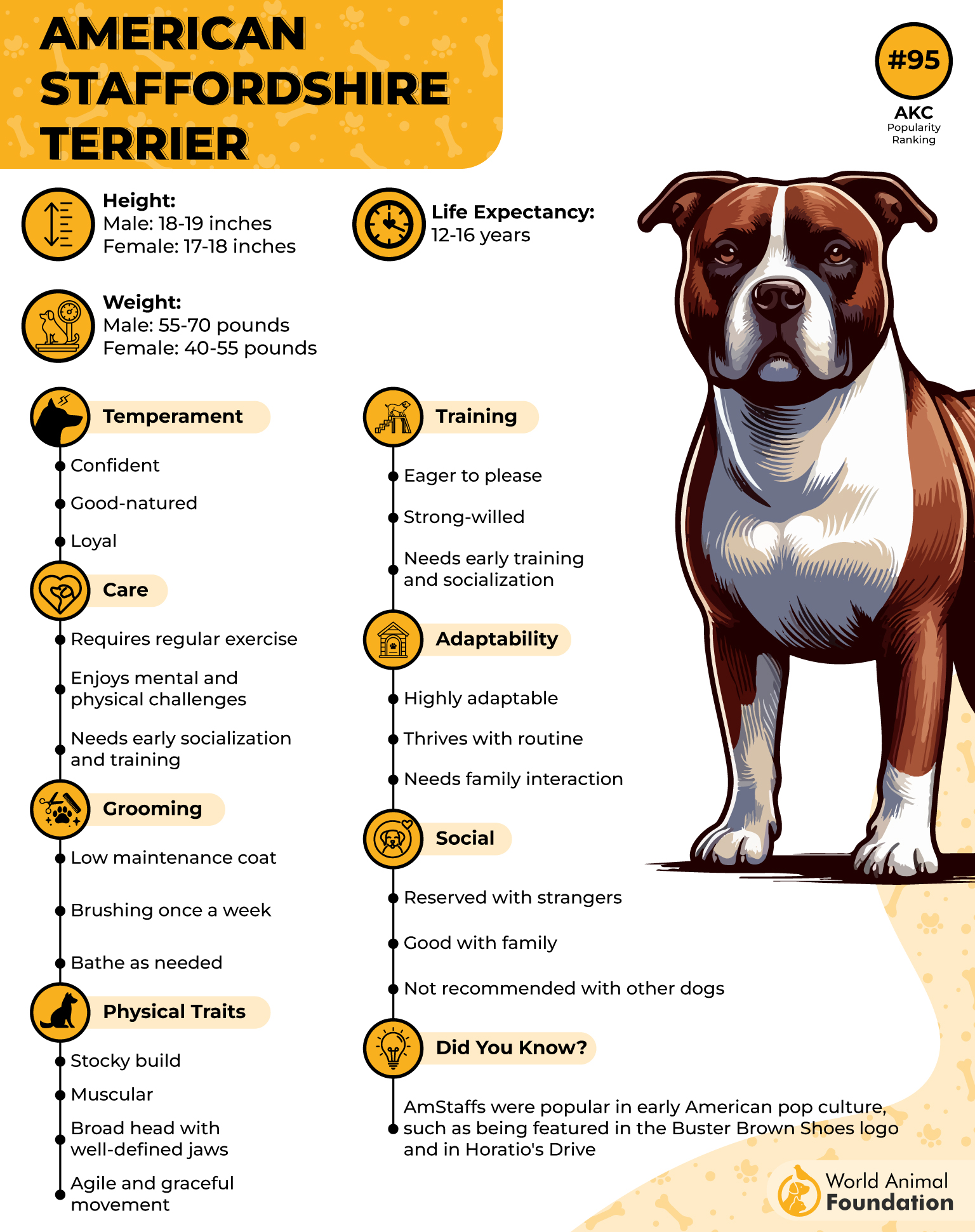
These pups are high-energy and require regular physical activity to stay happy. A daily walk, play session, or even a good game of tug-of-war will keep them satisfied. Bonus: free arm workout for you!
Their highly intelligent nature makes them easy to train, but they do best with positive reinforcement. Just keep an eye on their stubborn streak—they sometimes pretend not to hear commands (very selectively, of course).
Health-wise, they’re generally hardy but can be prone to hip dysplasia and skin allergies. A balanced diet and routine vet visits help keep them in top shape.
Fun fact: AmStaffs are so people-loving that they make terrible guard dogs—they’re more likely to lick an intruder’s face than chase them away.
7. German Shepherd
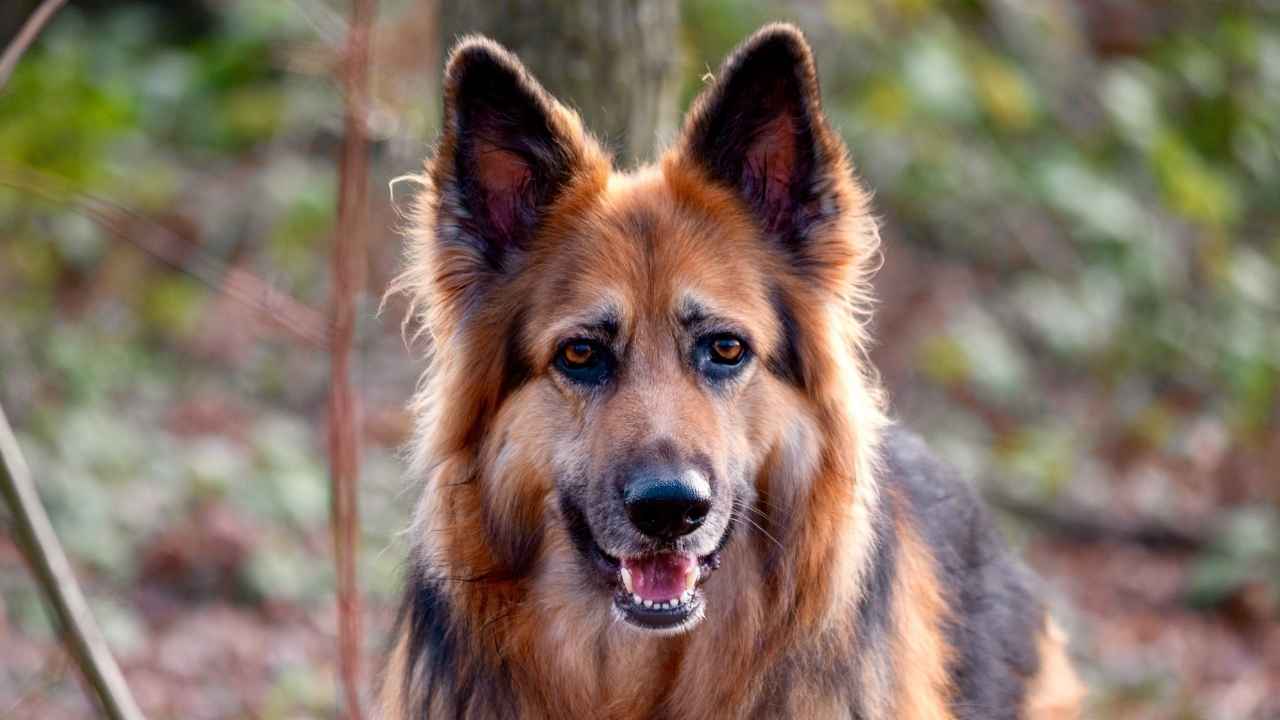
Loyal, intelligent, and ready to save the world (or at least your mood), the German Shepherd is one of the best emotional support dogs out there. These majestic pups aren’t just working dogs—they’re also giant, fluffy protectors of your heart.
German Shepherds have an uncanny ability to sense emotions, making them excellent emotional support animals for those struggling with anxiety and depression. If you’re feeling down, expect them to stick to you like a furry bodyguard—comfort first, personal space later.
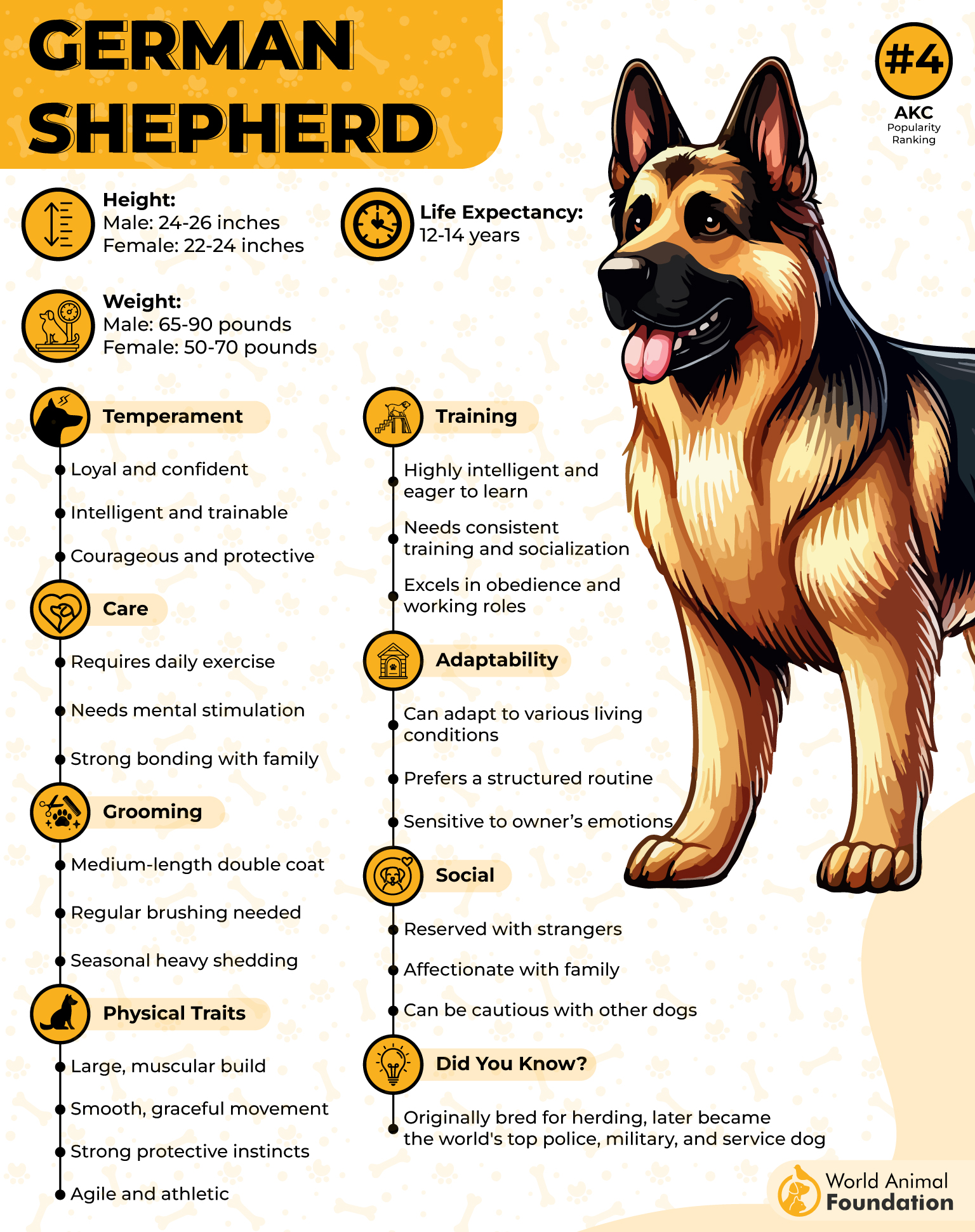
They’re highly intelligent and easy to train, excelling in specific training for emotional support roles. However, they do best with mental stimulation, so don’t expect them to just sit around all day—unless it’s sitting next to you, watching your every move.
Exercise is a must for this breed. Long walks, playtime, and interactive training keep them happy. Without physical activity, they might entertain themselves by redecorating your furniture (read: chewing everything).
Health-wise, German Shepherds can be prone to hip and elbow dysplasia, so a healthy diet and regular vet visits are essential. But honestly, they’d rather take care of you than themselves.
Fun fact: German Shepherds are so smart they can learn new commands in just a few repetitions. Yes, that includes learning where you keep the treats.
Conclusion
Life can be rough, but the right emotional support dog breed can make all the difference. Whether you need a cuddle champion like a Cavalier, a big-hearted protector like a German Shepherd, or a pocket-sized therapist like a Yorkshire Terrier, there’s a perfect pup out there waiting to provide unconditional love.
Unlike service animals or Service Dogs, ESAs don’t need to perform tasks, but their therapeutic benefits are just as powerful. They offer comfort, companionship, and a calming presence, making them invaluable for those struggling with mental health conditions. A licensed mental health professional can help determine if an emotional support animal (ESA) is right for you.
Of course, some dog breeds also deserve an honorable mention! Shih Tzus, with their beautiful coat and affectionate nature, are excellent lap warmers. Border Collies, known as herding dogs, have a patient nature and thrive on forming deep bonds. The best dog isn’t just about breed—it’s about finding the individual dog that matches your emotional needs.
Whether you have a big home or limited living space, there’s a furry new family member out there ready to bring joy into your life. From high-energy retrievers to laid-back lap dogs, every pup has different personality traits that make them uniquely suited for emotional support.
And hey, if you’re considering bringing home an ESA, why not visit a shelter? Many loving dogs are waiting for their second chance—ready to shower you with love, tail wags, and an endless supply of wet-nosed kisses.
So, which emotional support dog breed has stolen your heart? Let us know—after all, dog talk is the best talk!