

WorldAnimalFoundation.org is reader-supported. When you buy through links on our site, we may earn an affiliate commission. Learn More
Have you ever gazed into a cat’s eyes and wondered what makes them so mesmerizing? Whether it’s the glowing blue eyes of a Siamese cat or the intense green eyes of a wild cat, their eye colors are unique and captivating. The color of a cat’s eyes is determined by genetics, with various breeds exhibiting distinct shades.
The pigments in a cat’s iris play a major role in their eye color. For example, a cat with blue eyes has very little pigment in their iris, while green or amber eyes have more pigmentation. Eye color can also change with age, especially in kittens, whose eyes often shift from blue to their adult color.
Interestingly, a cat’s eye color can also reflect their overall health. For instance, cloudy or discolored eyes could indicate an underlying medical condition, making it important to monitor any changes.
Cat Eye Colors
1. Blue Eyes
Blue eyes are often regarded as one of the most striking and beautiful eye colors in cats. Cats with blue eyes, especially breeds like Siamese and Burmese, are admired for their captivating, almost mystical appearance. The lack of eye pigment in their irises allows light to scatter, creating the vibrant blue effect. This trait is quite different from other eye colors that rely on varying amounts of melanin and pigment-producing cells to form their hues.
Kittens are born with blue eyes, but as they mature, the color often changes. Most cats will see their blue eyes transition into shades like green or amber as they age. However, some breeds, especially those with lighter coat colors, can retain their blue eyes throughout life, which adds to their allure. The vivid relief of blue eyes contrast beautifully with their soft fur, enhancing the cat’s overall elegance.
Interestingly, some cats possess a yellow ring around their blue eyes, further enhancing their beauty. This ring can make their eyes even more captivating and intense. Blue eyes in cats can also indicate a genetic variation, especially in white cats. These cats often have the same gene responsible for both their white coat color and their blue eyes, which can sometimes be linked to congenital deafness.
As per Purina, Blue-eyed cats are rare in the broader cat population, with certain breeds like Siamese, Ragdoll, and Turkish Angora being the most well-known for this trait. These cats often share the same parents, and their striking blue eyes are passed down through generations, making them even more sought after in the world of pedigree cats. The blue eyes of these breeds have become an iconic feature, contributing to their widespread admiration.
Despite their beauty, blue eyes can also indicate some health concerns. While not all blue-eyed cats are affected, white cats with blue eyes are sometimes prone to deafness due to the same gene that controls both the coat color and the eye pigment. This genetic link has been studied extensively, but it’s important to remember that not all blue-eyed cats are deaf, and many live normal and healthy lives.
2. Green Eyes
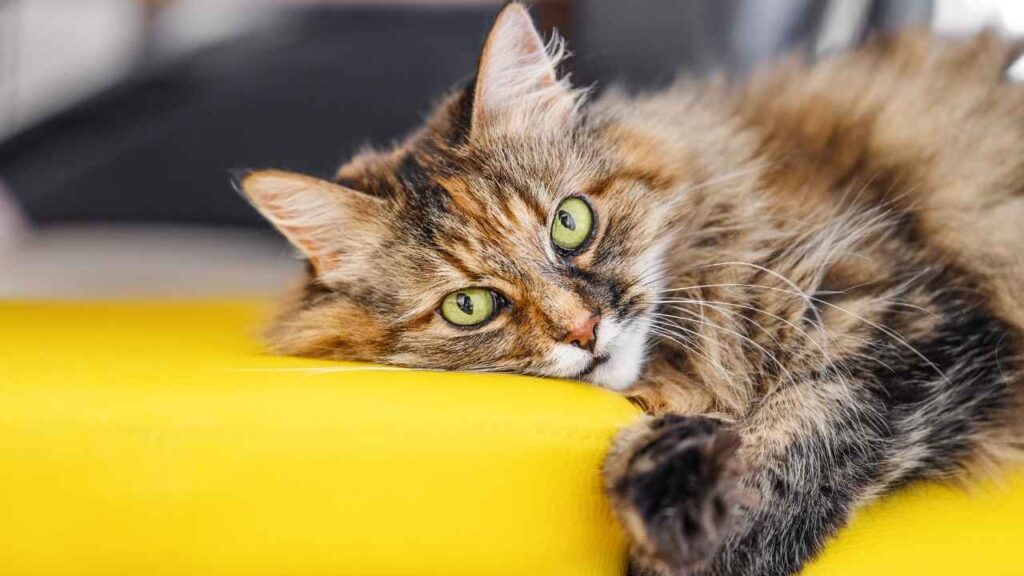
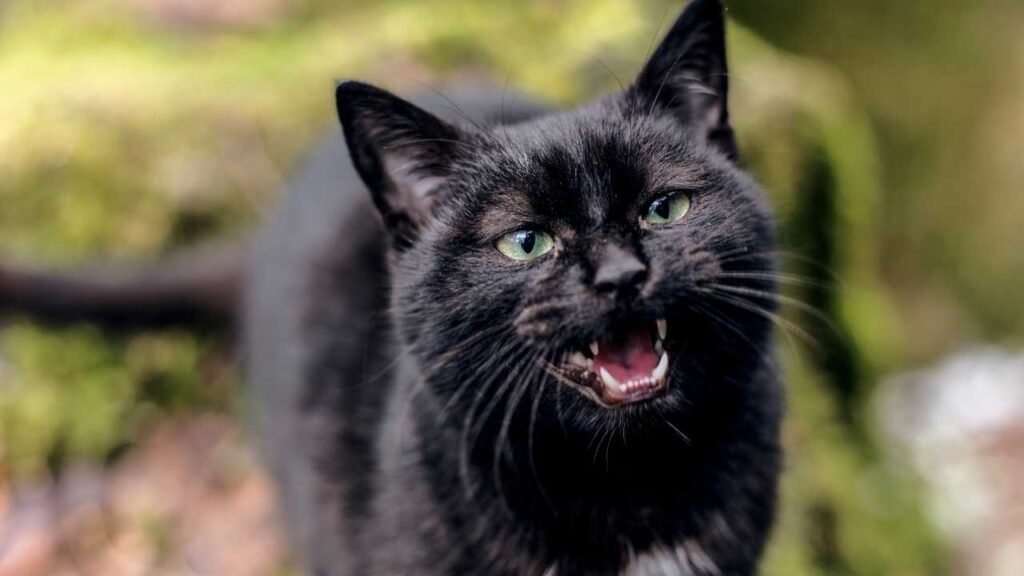
Green eyes are another eye color that’s often associated with cats’ intense and mysterious gazes. Unlike the rare blue eyes, green eyes are relatively common and can be found in a wide variety of cat breeds. These eyes are a result of a higher amount of melanin in the iris compared to blue eyes, but not enough to make them brown. The light reflecting off the iris creates a vibrant green hue, which can vary from a pale lime green to a deep, forest green.
Green eyes are most often seen in cats with darker coat colors. For example, black cats, tabbies, and cats with gray coats often possess green eyes, contributing to their captivating, striking looks. The intense green of a cat’s eyes is often enhanced by the contrast of their darker fur, making the eyes appear even more mesmerizing.
One of the breeds that frequently exhibit green eyes is the British Shorthair. This breed’s round face and dense coat often pair beautifully with their bright, green irises. The Norwegian Forest Cat, known for its thick fur and wild ancestry, also commonly has green eyes. These cats’ eye colors are one of the key features that add to their charm, with the green eyes contrasting dramatically against their long, luxurious coats.
Green eyes are generally seen as a standard eye color in many cats, and they’re prized for their brightness and clarity. Unlike blue-eyed cats, which may have specific genetic traits, green-eyed cats are considered more typical. They also tend to be associated with sharp vision, which is crucial for a cat’s ability to hunt and navigate its environment.
Interestingly, the exact shade of green in a cat’s eyes can be influenced by the amount of exposure to light. In dimmer light, a green-eyed cat’s eyes may appear more yellow or gold, adding to the variation and beauty of this color. This shifting effect makes green eyes especially enchanting and mysterious.
3. Copper Eyes
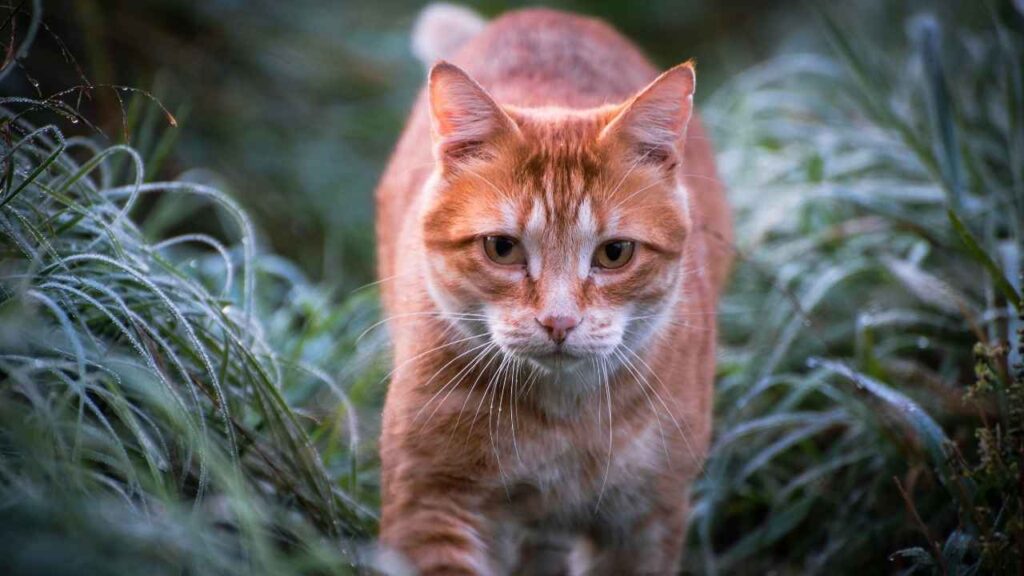
Copper eyes in cats are some of the most mesmerizing and intense eyes you’ll encounter. This rich, golden-orange color is most commonly seen in pedigree breeds like the Abyssinian and the Persian. Copper eyes result from a high concentration of melanin in the iris, which creates a warm, amber-like hue that can appear almost metallic under certain lighting conditions.
Cats with copper eyes often have darker coats, as the deep, golden color of their eyes complements the darker shades of their fur. The Abyssinian, with its sleek, reddish-brown coat, is particularly known for its stunning copper-colored eyes. Similarly, Persian cats, known for their luxurious coats, also frequently have deep copper eyes, which add to their regal and aristocratic appearance.
The rarity of copper eyes adds to their appeal. While this eye color is most commonly seen in certain breeds, it’s still a relatively rare feature in the broader cat population. Copper eyes are a hallmark of a few select breeds, making them a distinguishing trait for those cats.
Copper eyes are not just about looks—they can also indicate a cat’s health and genetics. For example, a rich hue can sometimes be a sign of healthy pigment production in the iris. While some cats with copper eyes may have lighter or pale coats, their eyes remain one of their most striking features, making them stand out in any crowd.
4. Mixed Eye Color
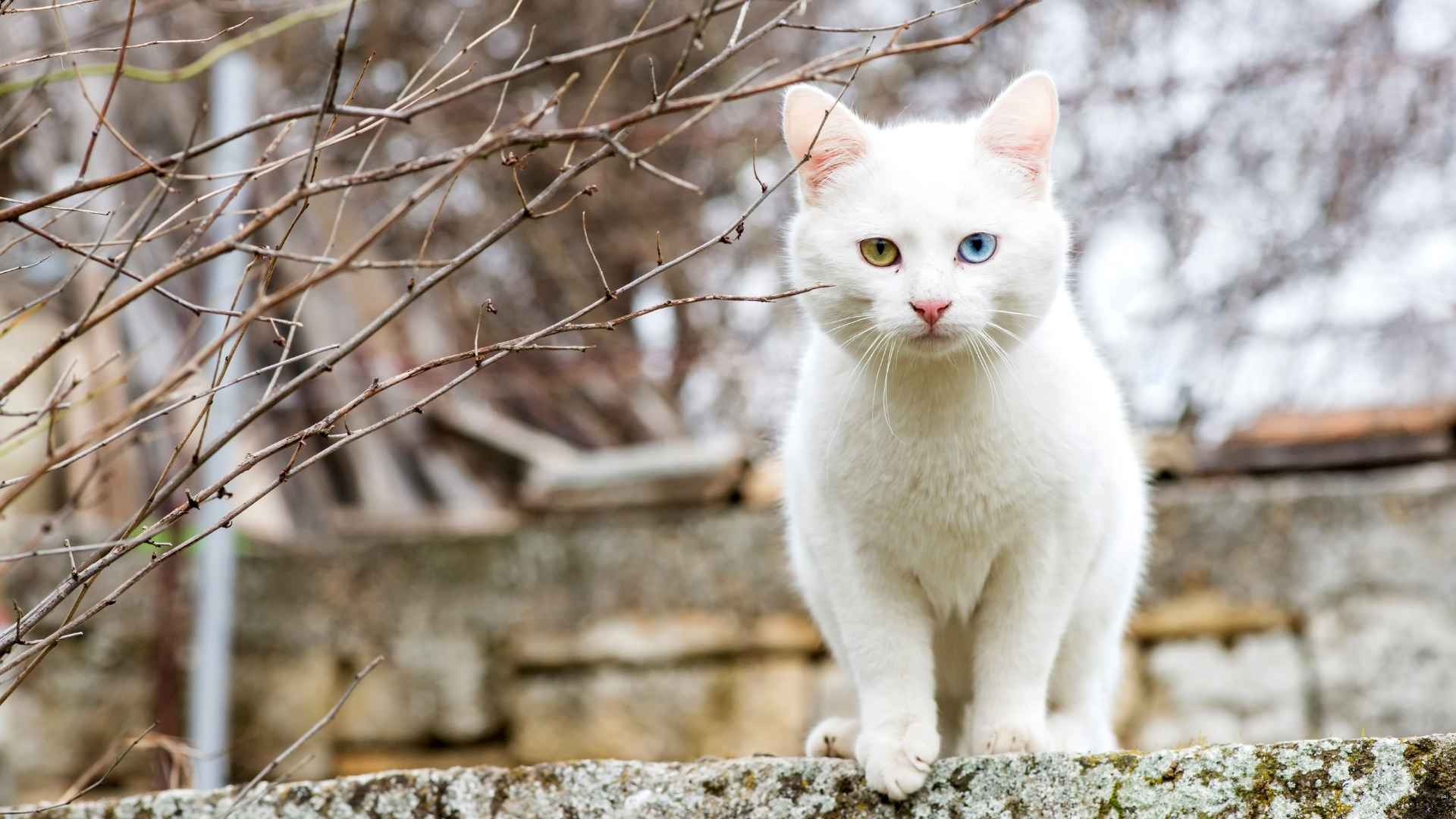
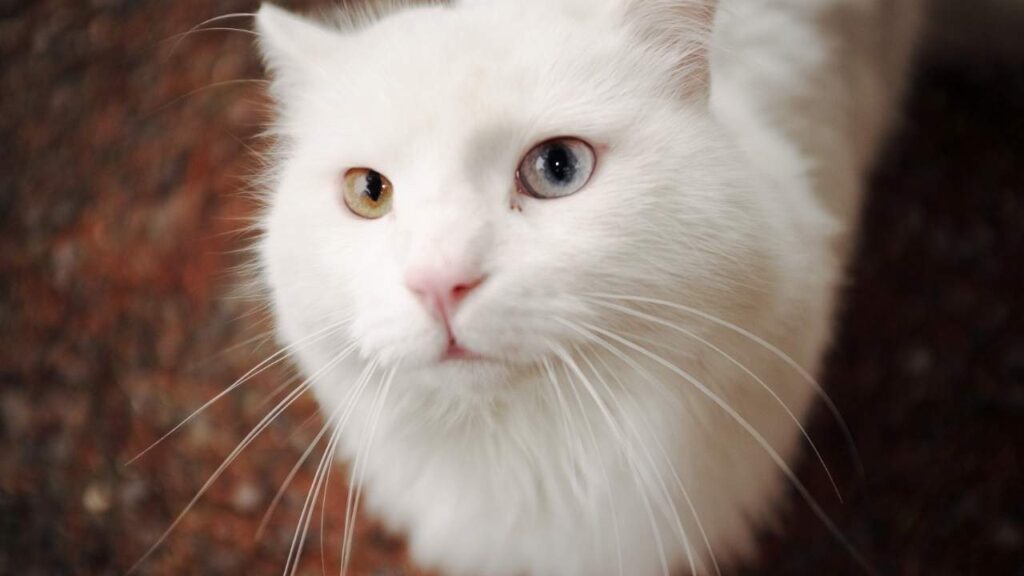
Have you ever seen a cat with two different colored eyes? These fascinating creatures are known as “odd-eyed” cats. One eye might be a striking blue, while the other could be a deep amber, green, or even copper. Odd-eyed cats have a rare and genetic trait that causes them to possess two distinct eye colors, which often makes them even more unique and stunning.
Odd-eyed cats are most commonly found in certain breeds, like the Turkish Van and the Japanese Bobtail. These breeds are known for their distinctive appearance, and the odd-eye trait is often seen as a symbol of beauty and rarity. In fact, cats with two different eye colors are often sought after as show cats because of their striking, unusual appearance.
The cause of the odd-eye trait lies in genetics. Typically, one eye will have more melanin than the other, creating a significant contrast between the two eyes. Interestingly, odd-eyed cats are often deaf in one ear, which is linked to the genetic mutation that causes this eye color difference. However, not all odd-eyed cats are deaf, and the condition doesn’t affect their overall health.
Odd-eyed cats can sometimes be born to cats with blue eyes. In these cases, the blue eye may remain unchanged while the other eye develops a different color, such as green or amber. This duality in their eye colors gives them an otherworldly and mystical appearance, making them a favorite among cat lovers.
5. Red
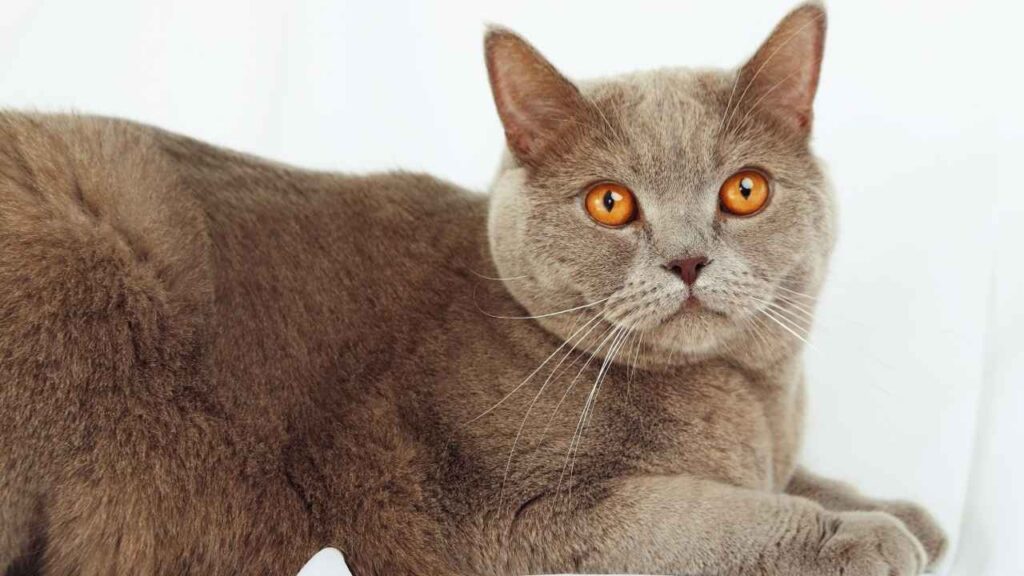
Red eyes in cats are incredibly rare and usually signal a health issue rather than a natural eye color. The reddish hue occurs due to an underlying condition that affects the blood vessels in the iris.
This can lead to inflammation or a leakage of blood vessels, causing the eyes to take on a reddish tint. It’s important to understand that red eyes are not a typical or desirable trait in felines.
Certain breeds of cats, such as the Siamese and Burmese, may experience conditions that could cause red eyes, but this is not a common or natural characteristic of these breeds.
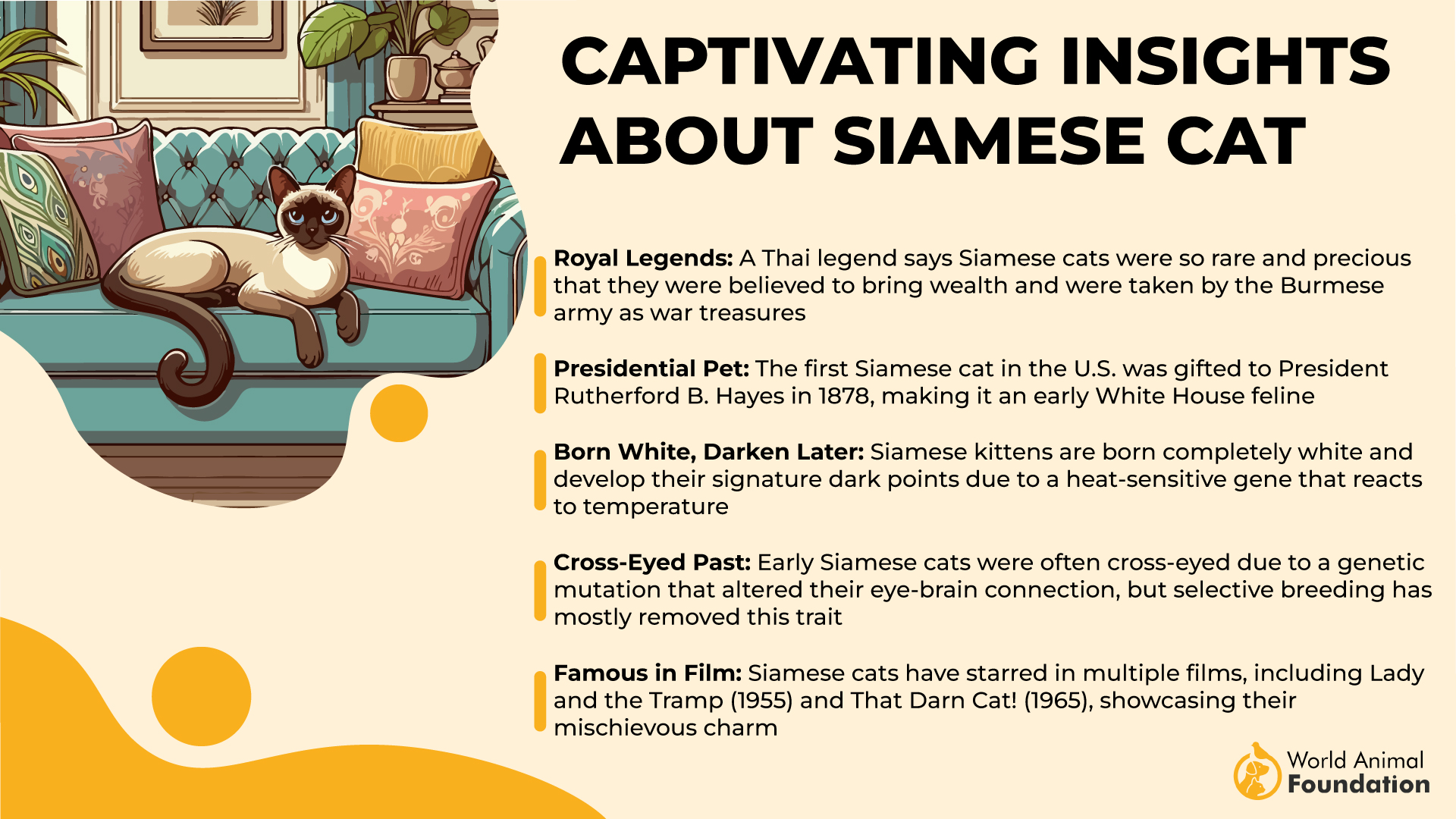
While these breeds are known for their striking eye colors, such as blue or gold, red eyes are generally an indication of health problems like glaucoma or infections.
According to PetMD, Red eyes can be caused by a condition such as glaucoma or cataracts, which are both serious and require prompt attention. Glaucoma results in increased pressure within the eye, while cataracts cloud the lens, affecting vision. Both conditions can lead to further complications if not diagnosed and treated quickly. Monitoring a cat’s eye health is crucial to preventing long-term damage.
The rarity of red eyes in cats makes them an exceptional and concerning sight. These eyes are not a natural trait of any breed, and when they do appear, it’s usually a sign of an underlying medical problem. The few instances of red eyes are often associated with serious conditions that require immediate veterinary care to prevent further damage and discomfort for the cat.
6. Yellow and Amber
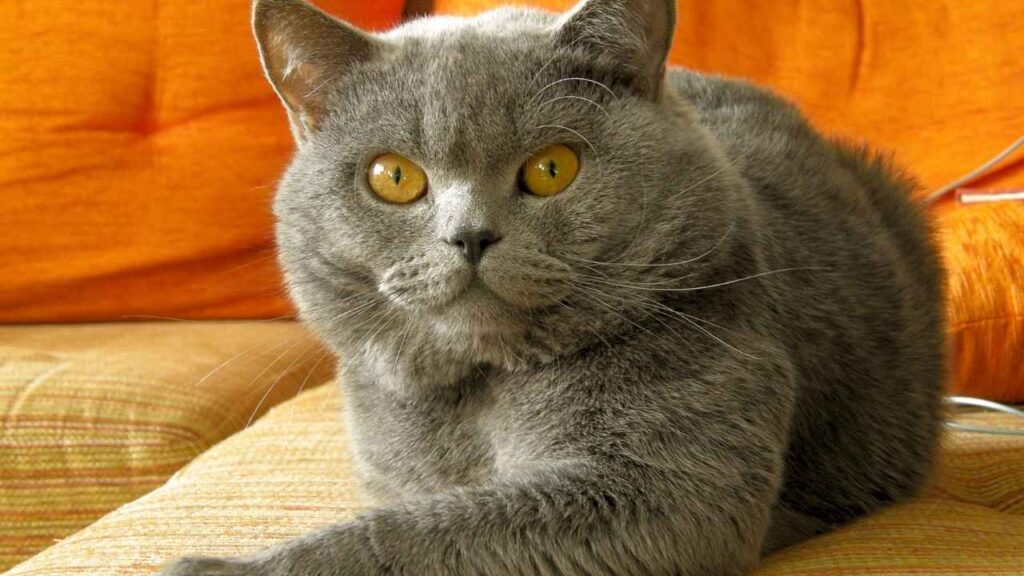
Yellow and amber eyes are common in cats, often standing out due to their warm, glowing quality. These eye colors create a mesmerizing contrast with the cat’s fur, giving them a mystical, intense gaze. The primary difference between yellow and amber eyes is their depth—yellow being lighter, and amber being darker. Both shades are considered beautiful, adding to the allure of many cat breeds.
Yellow eyes are relatively common in many cat breeds, especially in darker or lighter-colored coats. Breeds like the American Shorthair, Black cats, and Tabby cats are known for their striking yellow eyes. Yellow eyes are also frequently seen in domestic short-haired cats. These bright eyes can create a dramatic effect against lighter-colored fur, giving them an almost fiery appearance.
Amber eyes are a deeper, richer shade of yellow and are somewhat rarer than yellow eyes. They are often found in cats with darker or more muted coat colors, such as the Maine Coon or the Russian Blue. The deep amber eyes of these cats contrast beautifully with their coats, contributing to their regal and mysterious appearance. Amber eyes can also be seen in breeds like the British Shorthair and Siberian, giving these cats an elegant and captivating look.
The amber eye color is especially common in cats with longer, more luxurious fur, such as the Persian breed. These breeds, known for their plush coats and striking features, often have amber eyes that complement their overall appearance. The warm, glowing hue of amber eyes is a defining characteristic of many long-haired breeds, adding to their majestic presence.
7. Hazel
Hazel eyes in cats are a beautiful blend of brown, green, and amber, creating a warm, inviting look. This eye color can range from light brown with a hint of green to deep amber with golden hues. Hazel eyes are often seen in cats with lighter or multicolored coats, where the mix of colors complements their fur. The combination of warm tones in the iris gives these cats an enchanting, almost mystical appearance.
Hazel eyes are not as common as yellow or green eyes, but they are still seen in a variety of breeds. These eyes are often found in cats with more varied coat colors, as the mix of brown and green works well with different fur patterns. Breeds like the Abyssinian and Cornish Rex often feature hazel eyes, which enhance their overall appearance and add depth to their gaze.
One of the most intriguing aspects of hazel eyes in cats is their ability to shift color depending on the lighting. In some situations, the eyes may appear more amber, while in others, they may take on a greener or browner hue. This dynamic quality makes hazel eyes particularly captivating, as they seem to change before your eyes, adding an element of mystery to the cat’s gaze.
Although hazel eyes are less common than some other eye colors, they remain a striking feature in cats that have them. Their warm, shifting tones make them especially alluring and give the cats a soulful, almost hypnotic gaze. Whether in a playful Abyssinian or a majestic Maine Coon, hazel eyes add a layer of depth and warmth to these feline companions.
Conclusion
Cat eye colors are one of the most captivating aspects of feline beauty, reflecting the diverse genetics of different cat breeds. From the striking blue eyes of Siamese and Burmese cats to the rich amber eyes of Maine Coons, every cat’s gaze tells a unique story. Cats possess a wide range of eye colors, including green eyes, yellow eyes, copper eyes, and hazel eyes, each influenced by iris pigmentation and pigment-producing cells in the iris color.
Many cats are born with blue eyes, but as they grow, their eye pigment develops, leading to colors such as green or yellow eyes, gray eyes, or even golden eyes. Some cats with blue eyes, especially white cats, inherit their blue color due to the dominant white gene, which can also be linked to blue eyes deaf conditions. This is particularly seen in white fur cats with blue refraction caused by the outer layer of the iris color, creating a vivid relief.
For those who admire the rarest eye colors, odd-eyed or dichroic eyes, where one iris is a different shade than the other, are a breathtaking sight. These cats with two different eye colors are often seen in certain pedigree breeds, such as the Norwegian Forest Cat and Turkish Van. The light reflecting off their distinct oval eyes can make their gaze appear mystical, especially in low light or when captured with flash photography.
Some of the most common cat eye colors include green eye colors in black cats or gooseberry green shades in British Shorthair cats. Similarly, copper eyes with rich amber or orange eyes add to the regal appearance of pedigree cats like the American Shorthair. Lighter shades, such as pale lemon, light brown, and blue-green, are also found in different breeds, depending on their coat color and genetics.
Unlike humans, cats’ eye colors are deeply tied to their ancestry, and even kittens are born with blue eyes before developing their final shade. Whether your feline friend has deep dark brown eyes, a green iris, or the golden eyes of a show cat, their iris color makes them absolutely perfect. The curved sides of their pupils enhance their vision, allowing them to see in dim conditions—one of their many unique adaptations.
Every cat’s eyes are a window into their world, shaped by genetics, light, and evolution. Whether you admire the common eye color of a British Shorthair or the dazzling coat color of a pedigree cat, these mesmerizing eyes remind us why cats remain one of the most fascinating creatures on earth.