

WorldAnimalFoundation.org is reader-supported. When you buy through links on our site, we may earn an affiliate commission. Learn More
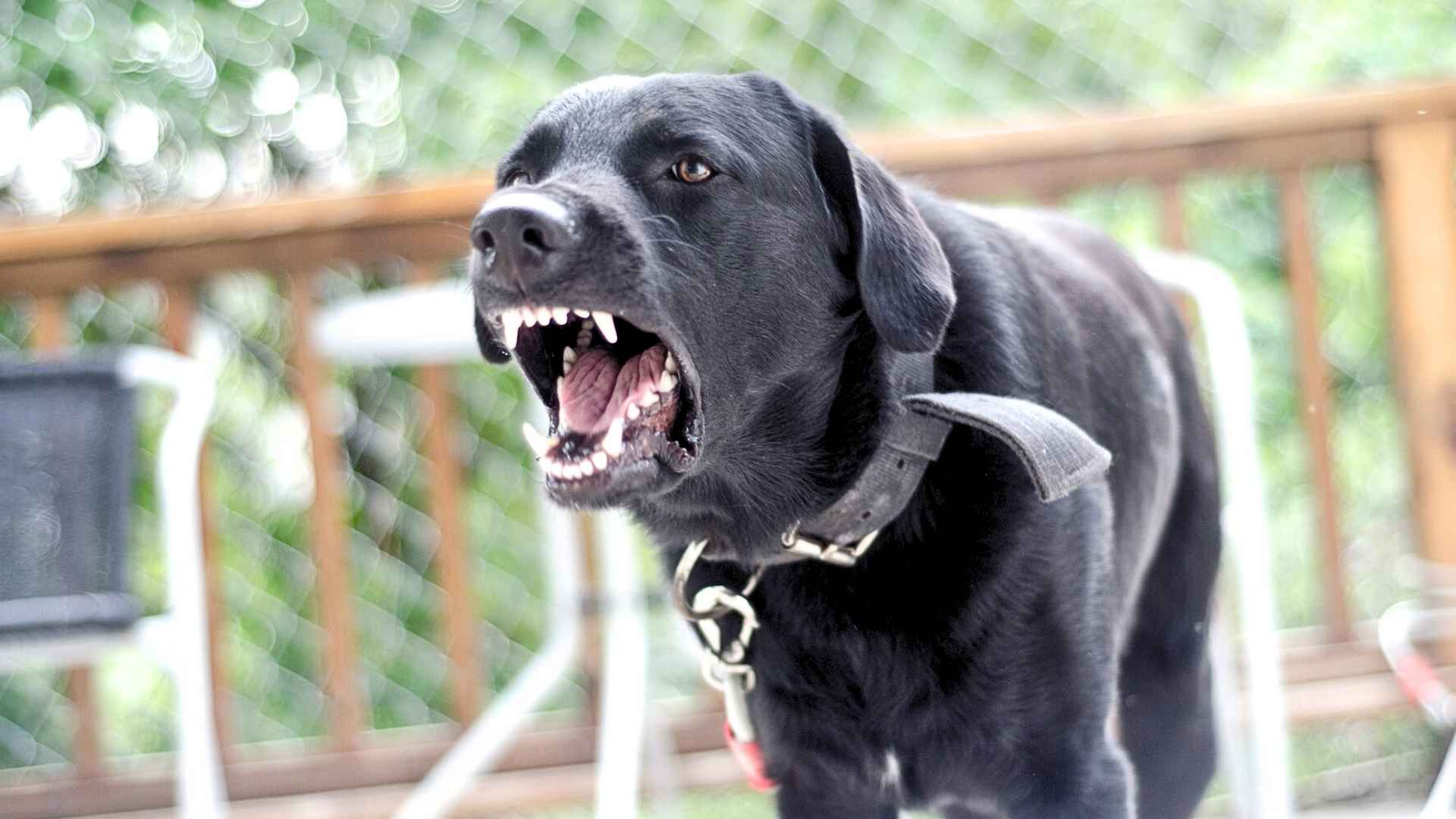
Dogs are known for their barks, but some breeds take vocalization to the next level. Whether they’re protecting their territory, alerting you to visitors, or just joining in on the neighborhood chorus, some dogs are naturally louder and more vocal than others. These breeds have perfected the art of barking, turning it into a way of communicating, guarding, or simply showing off their vibrant personalities.
While having a loud dog can sometimes be a challenge, it’s also a testament to their intelligence, energy, and loyalty. If you’re considering adding a vocal breed to your family, it’s important to understand what makes them bark and how to manage their booming voices.
Let’s explore some of the loudest dog breeds and discover what makes each of them unique!
Loudest Barking Dog Breeds
1. Chihuahua
Don’t let their small size fool you—Chihuahuas pack a mighty bark into their tiny bodies! These pint-sized pups are known for their sharp, high-pitched barks that can echo through any room. Originally bred as companions, they are incredibly alert and will let you know if anything unusual is happening around them.
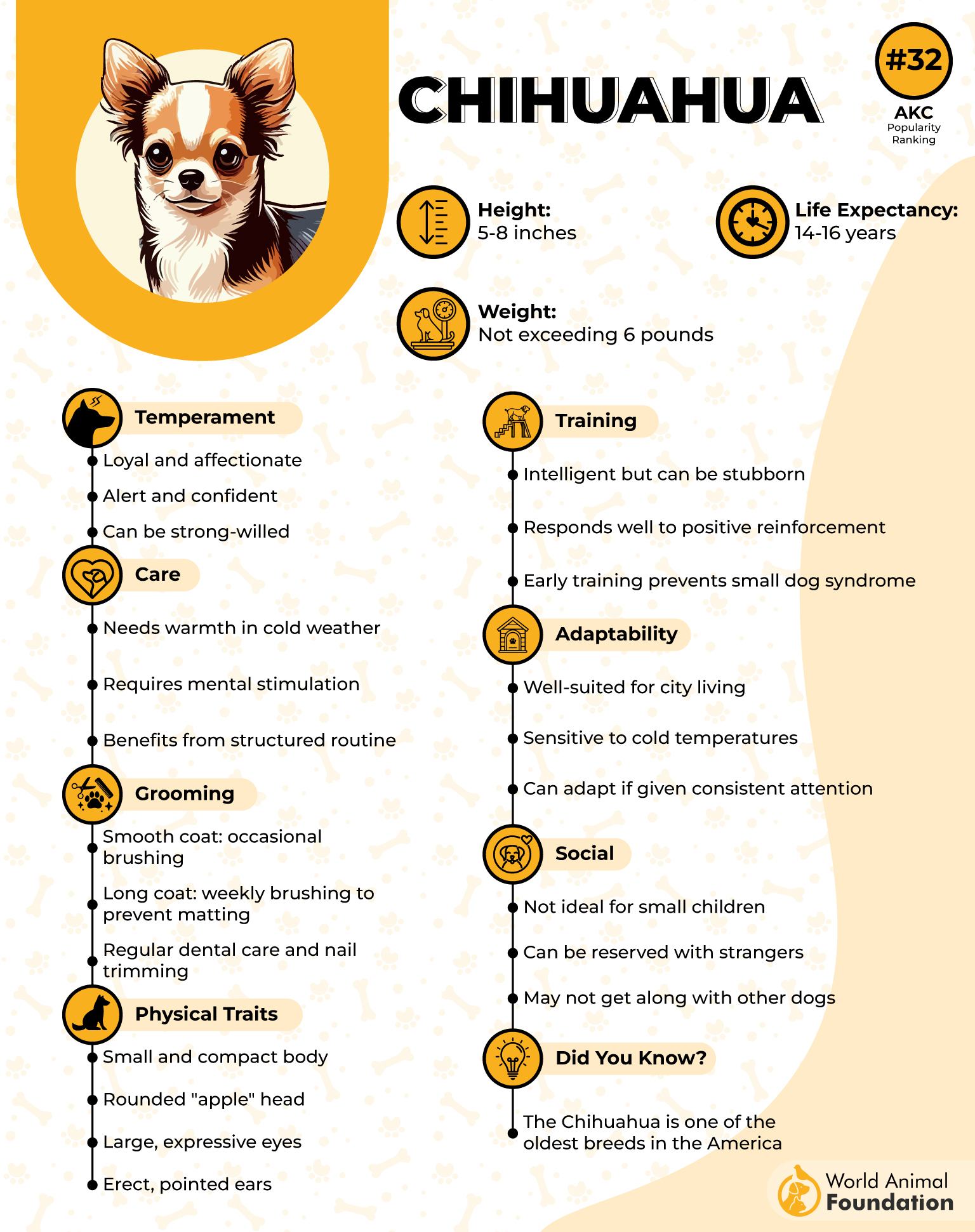
Compared to most other dogs, they tend to bark at strangers, unfamiliar noises, and sometimes even their own reflection! Their barking often stems from their protective nature; they might be small, but they have big personalities and a strong sense of loyalty to their owners. It’s like they believe they’re the guardians of the universe, and they’re not afraid to announce it.
While their barking can sometimes be excessive, proper training and socialization can help manage it. With the right guidance, a Chihuahua’s vocal nature can be turned into a charming trait rather than a disruptive one.
2. Miniature Pinscher

The Miniature Pinscher, the “King of Toys’ of the canine world, has a bark that’s as regal as its nickname. These feisty little dogs are known for their loud, persistent barking, especially when they spot something unusual. Their confident and alert nature makes them excellent watchdogs, but their voices can quickly dominate the household.
It bark to alert their owners of perceived threats, whether it’s a delivery person at the door or a squirrel in the yard. They take their role as protectors seriously and aren’t shy about making their presence known. Their bark is high-pitched and sharp, often surprising those who don’t expect such a powerful sound from such a small dog.
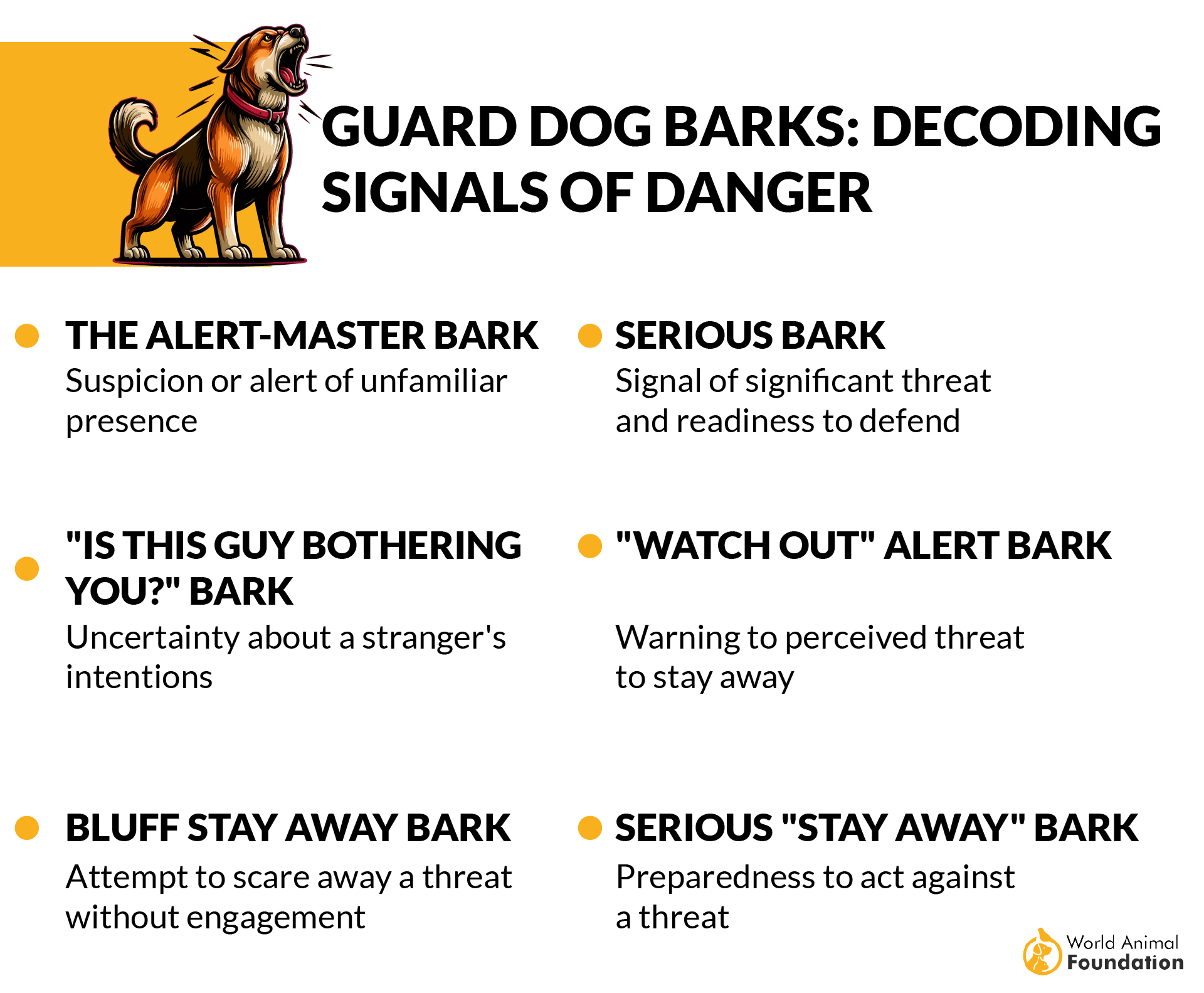
Training and consistent boundaries are key to managing a Miniature Pinscher’s barking. While they’re naturally vocal, redirecting their energy into play or training sessions can help channel their enthusiasm in more productive ways.
3. Dachshund

Dachshunds might be small, but their bark can rival that of much larger breeds. Originally bred as scent hounds and hunting dogs, they used their voices to alert hunters to burrowed prey in the rugged terrains, a trait that still shines through today.
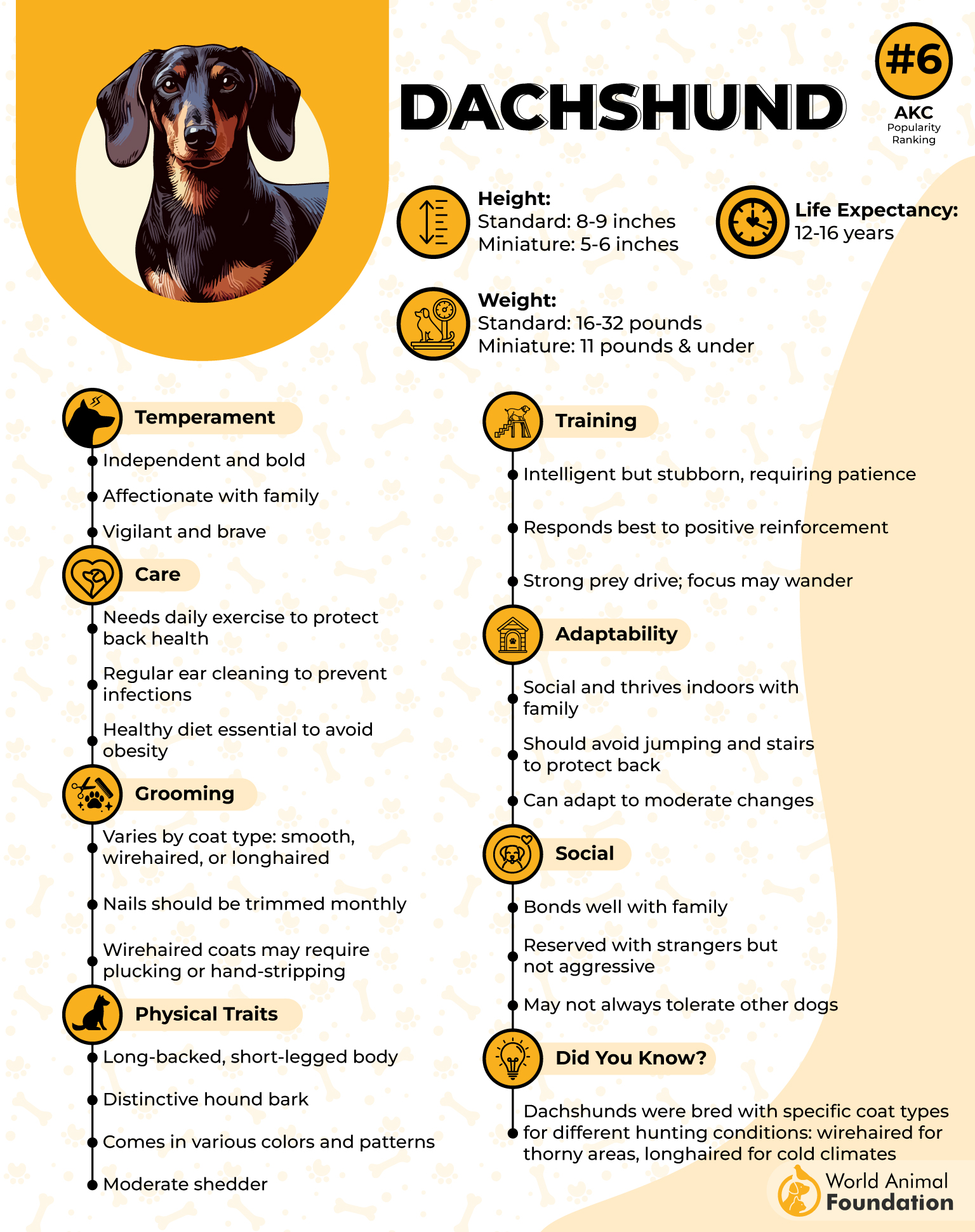
Their deep, loud bark is surprising for their size and often catches people off guard. AKC says they are super curious in nature. Their excessive barking stems from it.
These dogs with excessive barking are naturally alert and protective, making them excellent watchdogs. They’re quick to bark at any unusual sights or sounds, whether it’s a passing car or a neighbor’s cat. Their vocalizations often reflect their fearless nature; they truly believe they’re much bigger than they are.
It is worth noting here that to manage a Dachshund’s deep barking, early socialization and training are essential. By teaching them when barking is appropriate and providing plenty of mental and physical stimulation, you can ensure their voice is used constructively rather than excessively.
4. Pomeranian
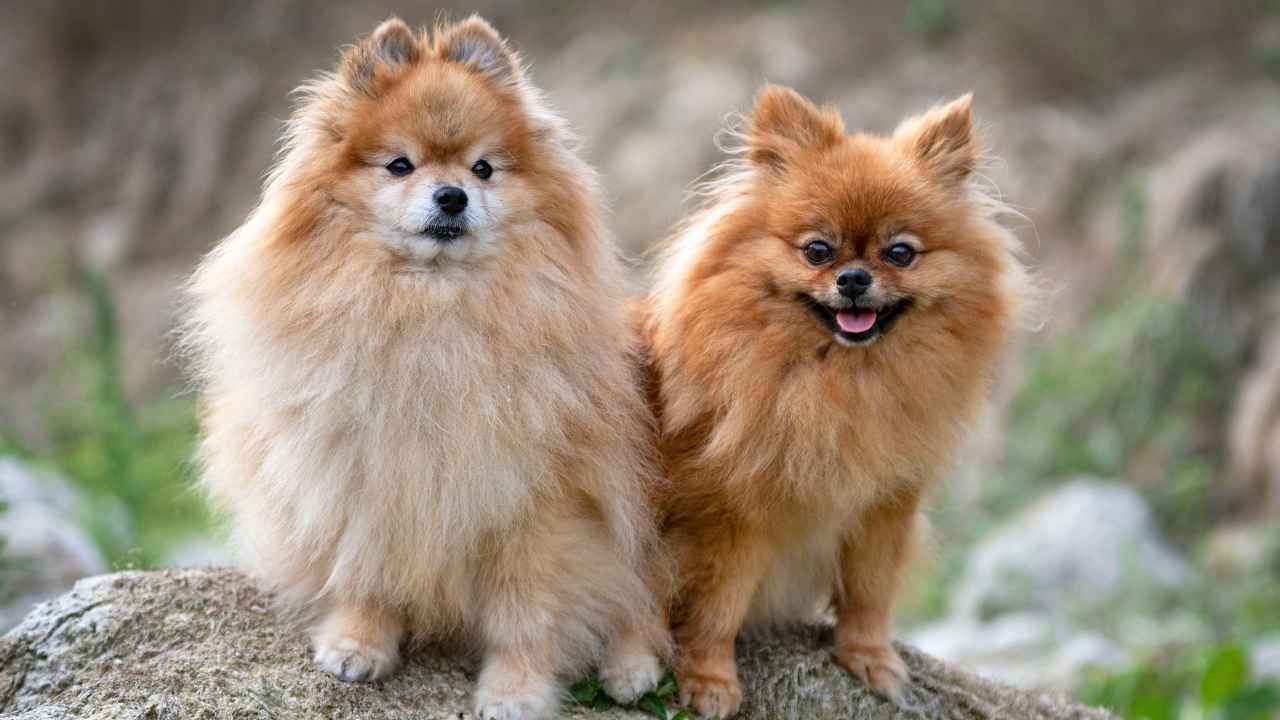
Pomeranians may look like fluffy little teddy bears, but their bark is anything but soft. These tiny powerhouses are known for their sharp, high-pitched barks, which they often use to express excitement, alert their owners, or simply grab attention.
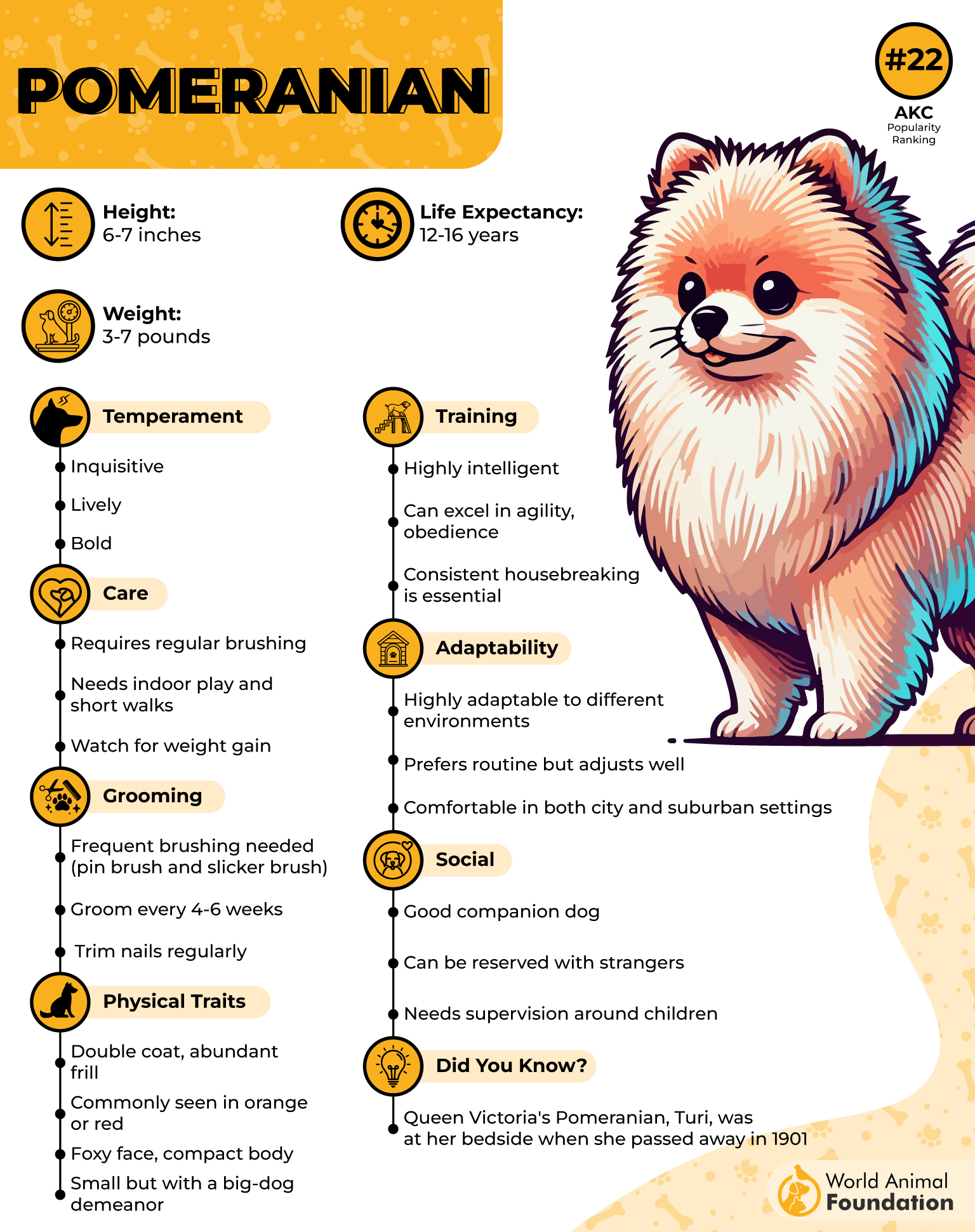
Their confident and outgoing personalities make them naturally vocal. As per PetMD, they are a good choice for all kinds of pet parents who need to adopt a small breed dog.
Bred as companion dogs, they are highly alert and love being in the middle of the action. They’ll bark at anything they find interesting, whether it’s a new visitor or a leaf blowing across the yard. Their barking is their way of communicating and asserting themselves, even in the presence of much larger dogs.
Training these dogs to control their barking requires patience and consistency. Positive reinforcement and providing them with alternative ways to express themselves can help manage their vocal tendencies without stifling their lively personalities.
5. Golden Retriever

Golden Retrievers aren’t typically considered excessive barkers, but it’s impossible to miss when they do bark. Their bark is loud, deep, and commanding, often used to express excitement or alertness. While they’re naturally friendly and social, they can become vocal if they’re bored or need attention.
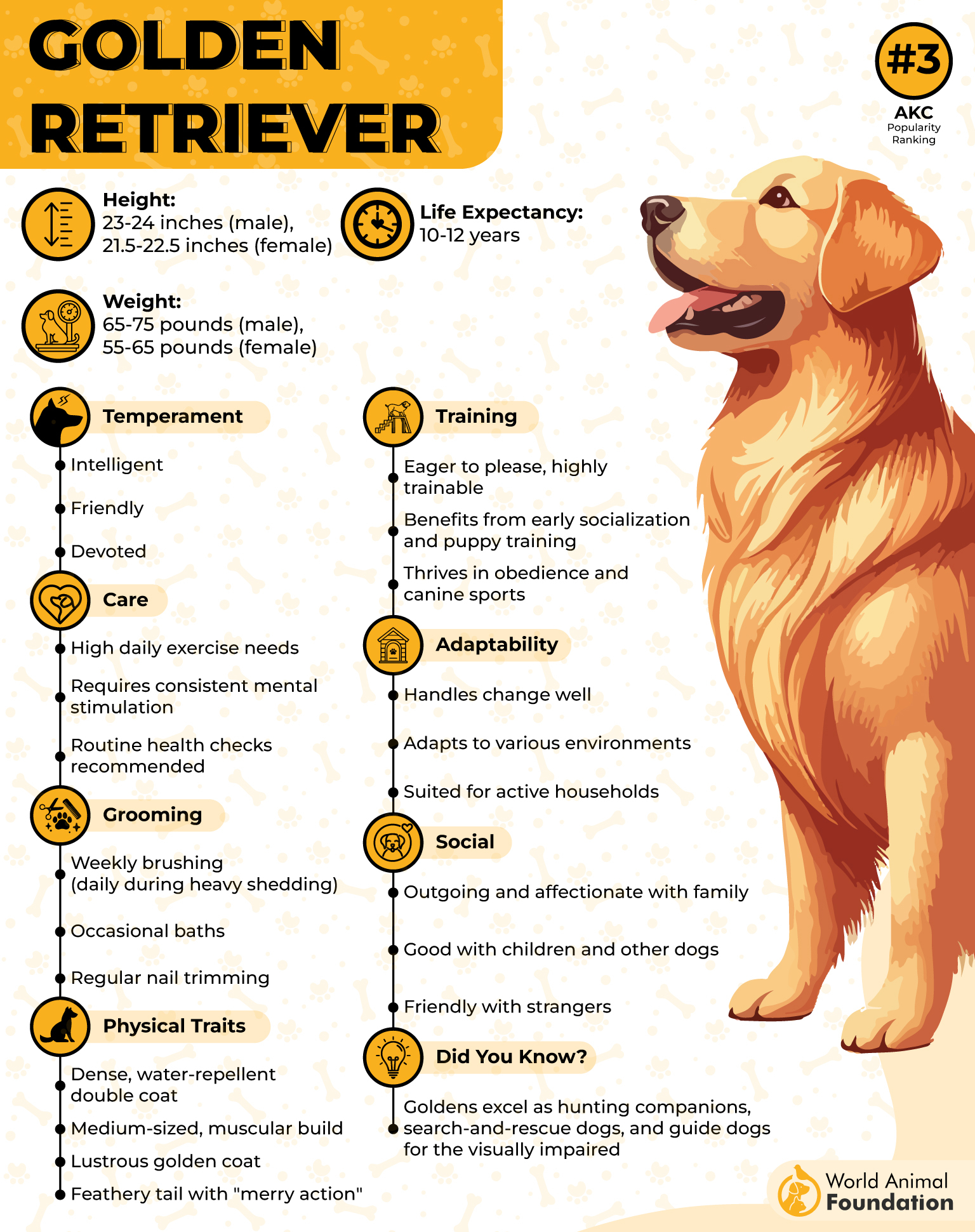
They are known for their enthusiasm and energy, and their barking often reflects these traits. They’ll bark to greet you when you come home, announce the arrival of visitors, or even encourage you to play. While their barking is usually good-natured, it can become a habit if not addressed early.
For instance, a Golden Retriever named Charlie on Instagram is seen greeting every visitor with a deep, enthusiastic bark, making them feel both welcomed and well-protected
WebMD claims the howl when confused or overstimulated.
Proper training and regular exercise are key to managing this dog’s bark. Keeping them mentally and physically stimulated ensures they’re happy, healthy, and less likely to bark out of boredom.
6. German Shepherd
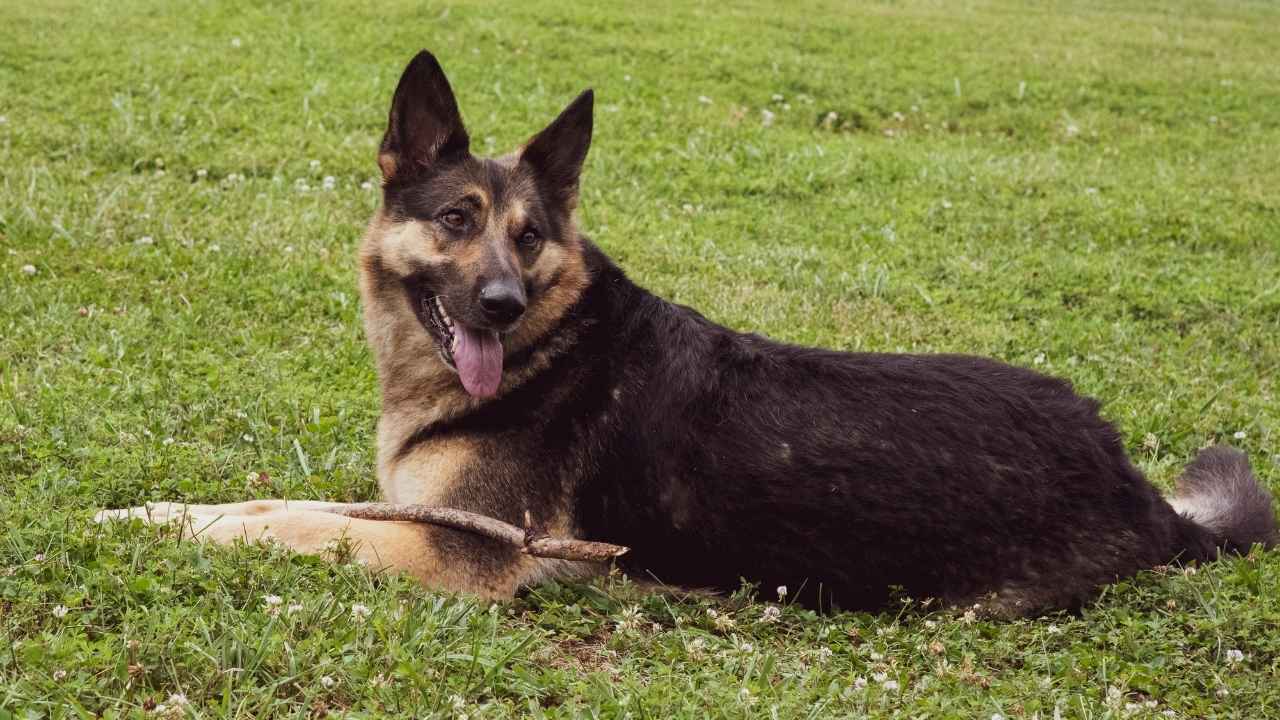
German Shepherds are among the most intelligent and versatile breeds, and their bark is just as impressive as their skills. Their powerful bark is often used to alert their owners to potential dangers, making them exceptional guard dogs. When a German Shepherd barks, you know they mean business.
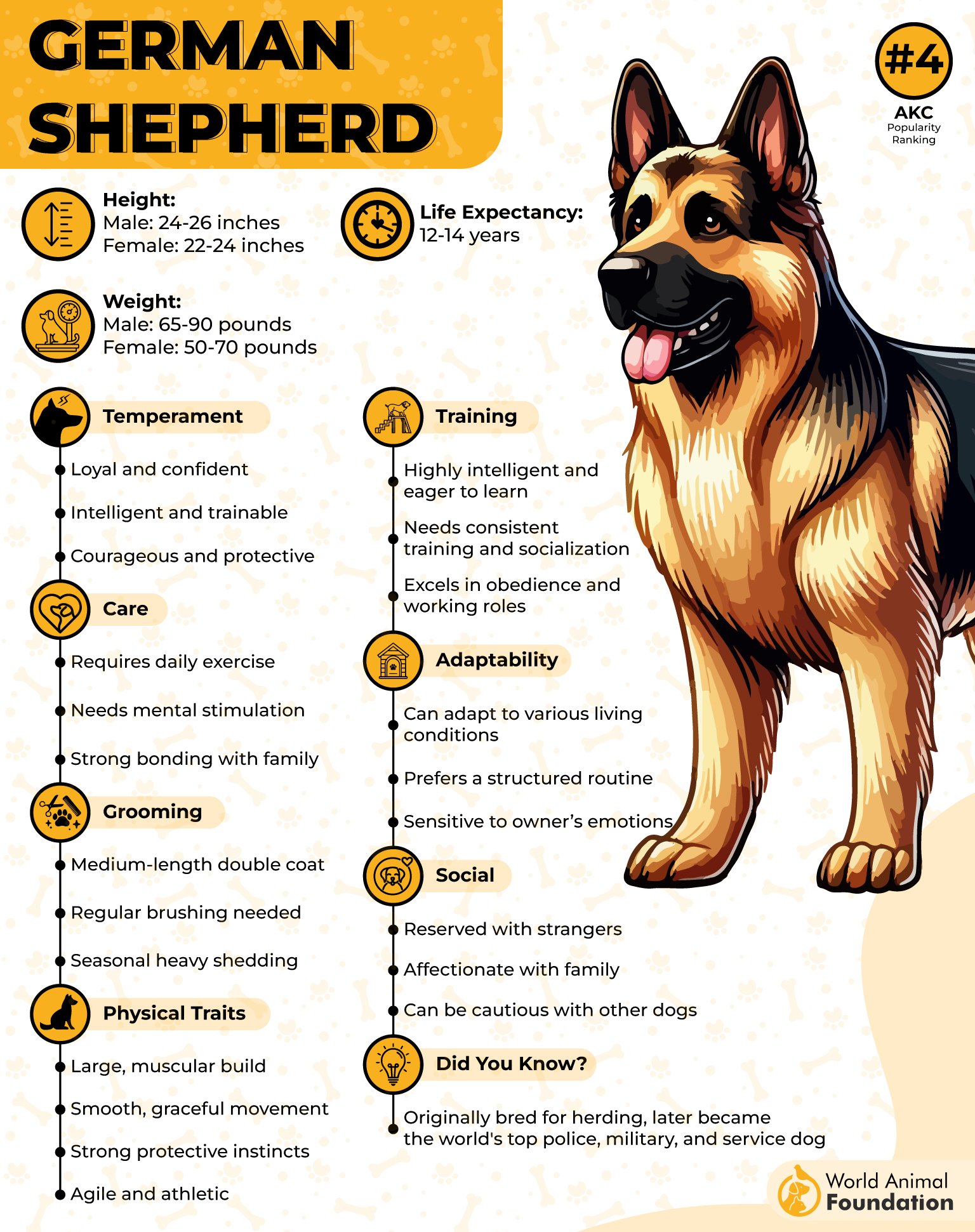
Bred for work and protection, these herding dogs are naturally vigilant and protective against potential threats. They’ll bark to warn off intruders, alert you to unusual activity, or communicate their needs. Their barking is purposeful and deliberate, making it one of their most valuable traits.
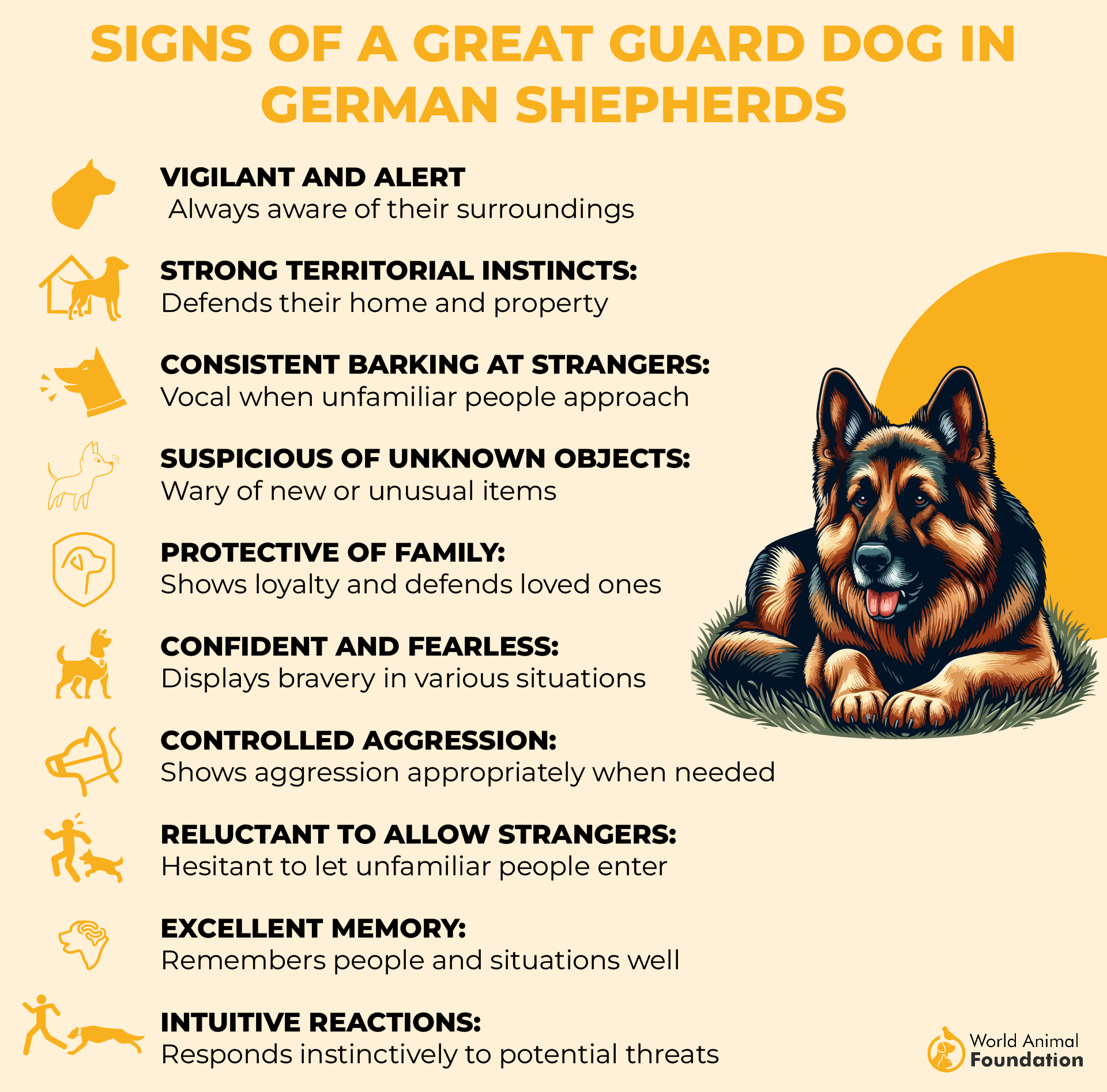
To ensure their barking doesn’t become excessive, German Shepherds need consistent training and plenty of exercise. VCA Hospitals says their training and grooming are necessary! When properly managed, their bark becomes a useful tool rather than a nuisance, adding to their reputation as one of the most loyal and reliable breeds.
7. Rottweiler

Rottweilers are known for their booming bark that can easily command attention. While they’re not excessive barkers, they use their voices strategically to warn off intruders or alert their owners. Their bark is a powerful testament to their protective nature and loyalty.
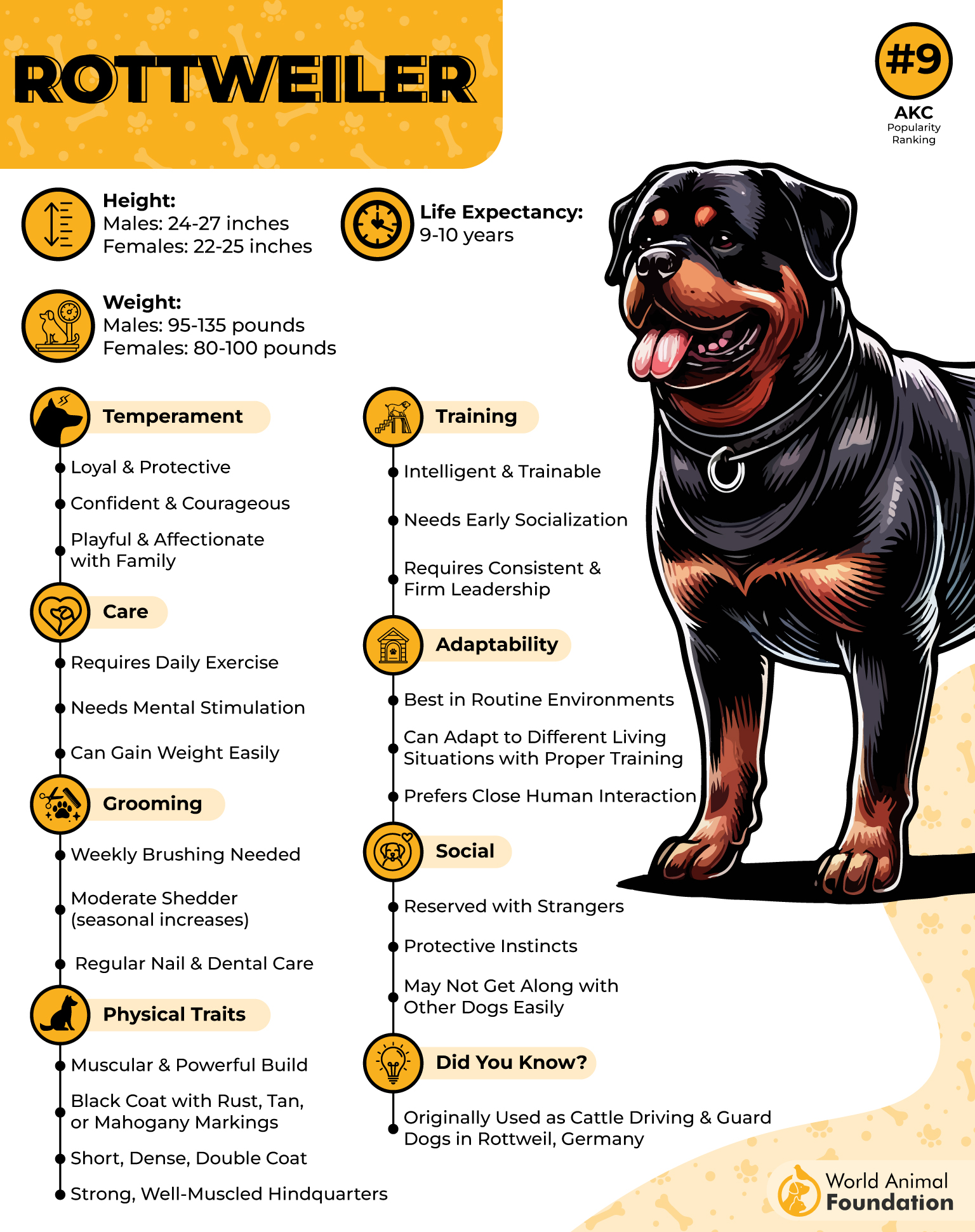
This vocal dog breed was originally bred as working dogs, and their vocalizations often reflect their strong sense of duty and protective instincts. These dogs with an imposing presence will bark to protect their family and territory, but they’re also capable of remaining calm and composed when they don’t perceive a threat. This balance makes them excellent guard dogs and family companions.
Training and early socialization are essential for managing a Rottweiler’s barking. With the right guidance, they can learn to differentiate between genuine threats and harmless situations, ensuring their bark is always purposeful.
Conclusion
From the tiny yet mighty Pomeranian to the powerful Rottweiler, these breeds prove that size isn’t always an indicator of volume. Whether they’re alerting you to a stranger or simply expressing their excitement, these dogs know how to use their voices effectively. While their barking can sometimes be challenging, it’s also a reflection of their intelligence, loyalty, and dedication to their families. Apart from these dogs, Basset Hound, Yorkshire Terriers, Jack Russell Terriers, Beagles, Siberian Huskies (the sled dogs) , Doberman Pinschers, and Mini Schnauzer can also let out intimidating bark at times!
Choosing a vocal breed means embracing its expressive nature and understanding how to manage it effectively. With proper training and plenty of love, these loud barkers can become cherished members of your family, adding a unique and vibrant energy to your home.