


WorldAnimalFoundation.org is reader-supported. When you buy through links on our site, we may earn an affiliate commission. Learn More
Dogs are our best friends, loyal companions, and sometimes our unofficial therapists. But like all things we love, they come with their challenges—and health issues are high on that list. Some dog breeds, while undeniably adorable, are prone to specific health problems thanks to genetics, breeding practices, or unique physical traits.
In this blog, we’ll deeply dive into the dog breeds that visit the vet more often than others. Spoiler alert: some of the cutest pups are on this list, so brace yourself for heartbreak and awws.
But fear not! Health concerns can be managed or avoided with the proper care, proactive measures, and extra love. Let’s explore the canine Hall of Fame—for health issues.
Dog Breeds with the Most Health Problems
1. French Bulldog
Oh, the French Bulldog—with their bat-like ears and irresistible snorts, they’ve captured the hearts of dog lovers worldwide. Unfortunately, their charm comes with a hefty price tag regarding health. Frenchies are notorious for brachycephalic airway syndrome, a fancy term for breathing problems caused by their squished faces.
That adorable snoring? It’s not just cute—it’s a sign they’re working overtime to breathe.
Beyond respiratory issues, they are also prone to spinal disorders like intervertebral disc disease (IVDD) and skin allergies. Their wrinkles need regular cleaning to prevent infections, so owning a Frenchie often feels like running a wrinkle spa.
Apart from these health problems, they are prone to issues like cardiovascular problems, cataracts, and orthopedic diseases. While they have upright ears, Frenchies are prone to skin allergies and wax buildup, which can lead to ear infections.
To keep these purebred dogs happy and healthy, avoid over-exercising them in hot weather, keep their weight in check, and invest in a high-quality harness to reduce strain on their neck. And don’t forget those wrinkle-cleaning spa days!
2. Cavalier King Charles Spaniel

The Cavalier King Charles Spaniel epitomizes royalty with its flowing coat and soulful eyes. Sadly, their health issues are equally royal in complexity. These sweet-natured pups are highly prone to mitral valve disease, a heart condition that can lead to heart failure if not appropriately managed. Regular vet check-ups are non-negotiable.
Cavaliers are also at risk for syringomyelia, a painful neurological condition caused by their skulls being too small for their brains (yes, really). This condition often presents sensitivity around the neck and shoulders, so watch for signs like excessive scratching or discomfort.
These lap dogs and feet warmers, as Omlet calls them, need some extra love and care from you! To help your Cavalier live its best life, provide them with a balanced diet, regular exercise, and plenty of cuddles—just be mindful of their physical limitations. And always, always stay on top of those vet visits.
3. Boxer

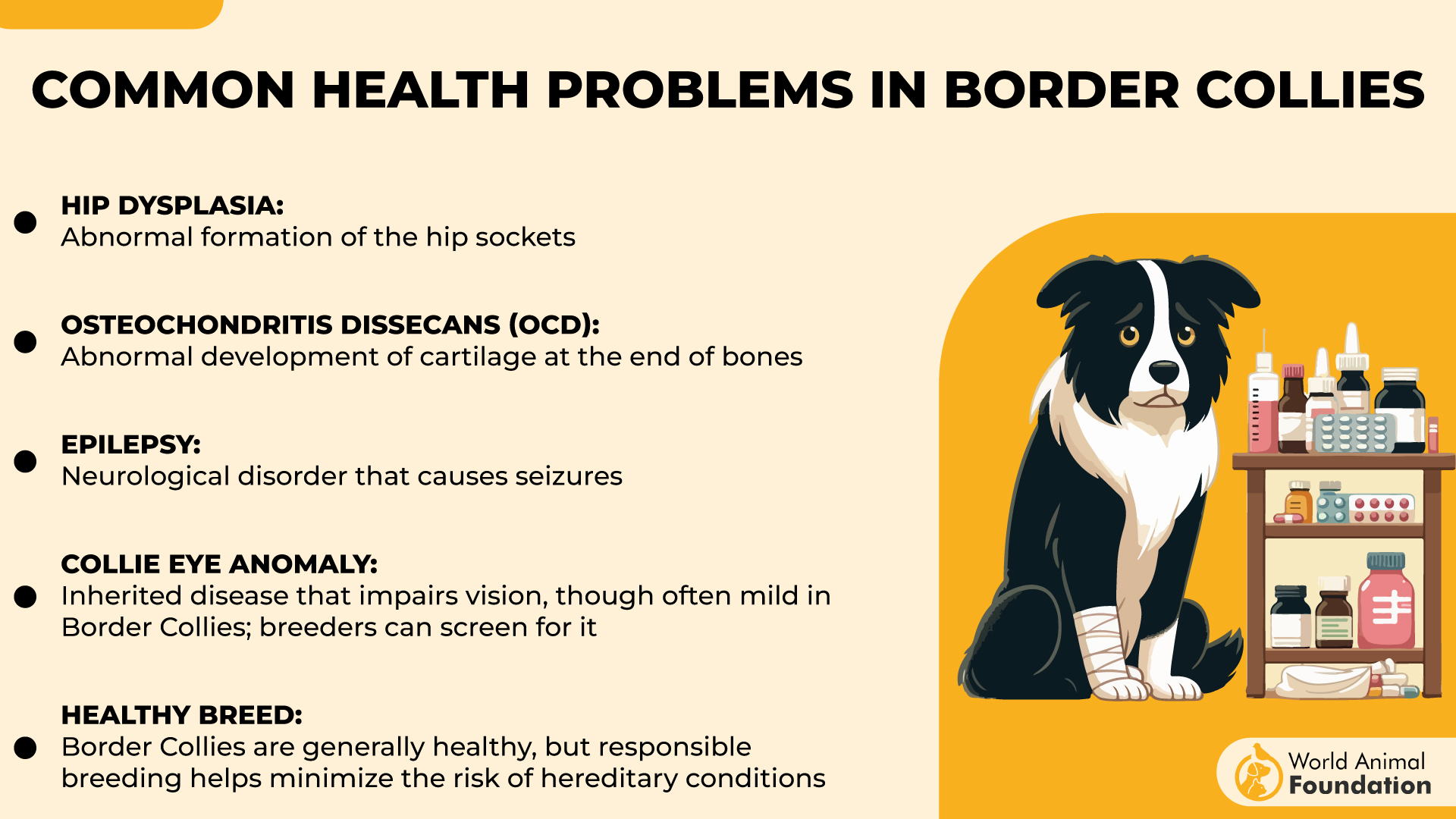
Boxers are the clowns of the dog world—energetic, goofy, and endlessly entertaining. But beneath that playful exterior lies a breed that’s predisposed to a host of genetic disorders and health issues. Chief among them is cancer, particularly lymphoma and mast cell tumors. These diseases can be devastating, but early detection is key.
Boxers also have a knack for developing heart problems, such as aortic stenosis and arrhythmogenic right ventricular cardiomyopathy (try saying that five times fast). On top of that, their short muzzles make them susceptible to breathing difficulties, especially in hot or humid weather.
They are also susceptible to developing Degenerative myelopathy, a disorder similar to multiple sclerosis in humans. Responsible breeding practices can help avoid it to a great level.
To give your Boxer the best shot at a long, healthy life, maintain a rigorous schedule of vet check-ups, ensure they get plenty of exercise, and watch for any unusual lumps or bumps. And remember, they’re more than just their health issues—Boxers are pure joy on four legs.
4. Chihuahua

Small but mighty, Chihuahuas, as claimed by AKC, are super graceful yet sassy! However, their tiny stature comes with considerable health problems. Dental issues are a significant concern; their small mouths often mean overcrowded teeth, leading to gum disease and tooth loss.
They are prone to patellar luxation, where the kneecap slips out of place, hypoglycemia, or low blood sugar. This means these tiny dynamos need a steady food supply and a careful watch on their activity levels. They can also develop progressive retinal atrophy, like many other small breeds.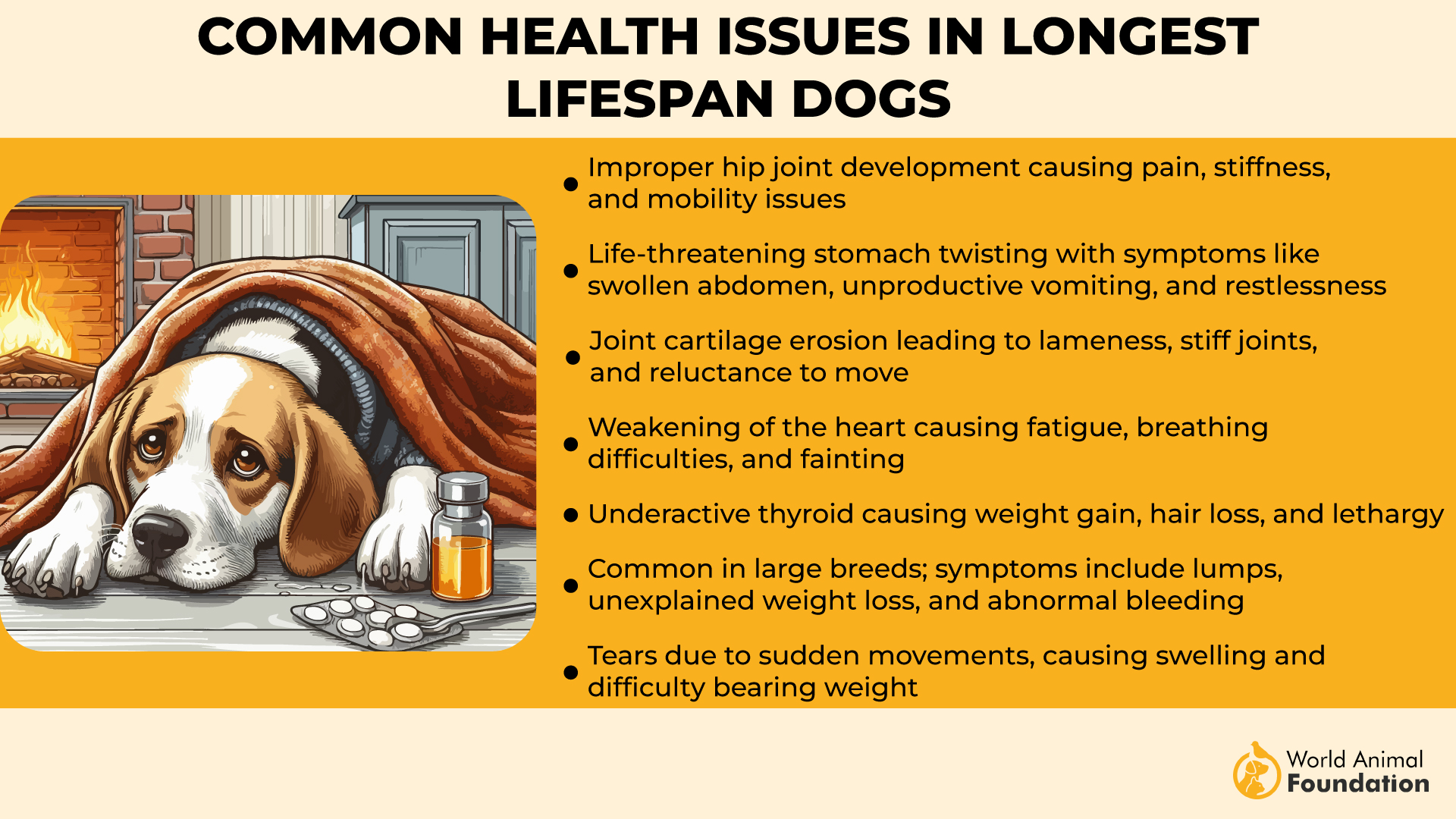
They have tiny mouths, often leading to overcrowded teeth and a higher risk of dental diseases such as gum disease, tartar buildup, and tooth loss. This is why it’s necessary to maintain good oral hygiene. To keep it strutting the stuff, brush the teeth regularly, provide a balanced diet, and watch its weight—extra pounds can wreak havoc on the tiny joints.
And, of course, let them rule your household—it’s what they were born to do.
5. Pug

Pugs: the ultimate couch potatoes with a gentle and friendly nature. But beneath those googly eyes and curly tails lie a host of health challenges. Like Frenchies, Pugs are brachycephalic, and prone to breathing problems. Their signature wheeze isn’t just quirky; it’s often a sign of airway obstruction.
Pugs are also at risk for obesity, which can exacerbate their breathing issues and lead to joint problems. Those bulging eyes? They’re prone to injuries and conditions like proptosis (when the eye pops out—yikes!).
They are another brachycephalic breed prone to respiratory problems. Their short muzzles and compact nasal passages make breathing hard, especially during heat or exercise. They have small, folded ears that can trap dirt and moisture, making them prone to frequent ear infections, which can trigger ear infections. Clean their ears every 1–2 weeks to prevent ear infections and watch for scratching or tilting of the head, signs of infection.
To keep your dog healthy, monitor their diet closely, keep them cool in hot weather, and protect those adorable eyes from harm. And don’t forget to enjoy their hilarious antics—they’re natural entertainers.
6. Bulldog

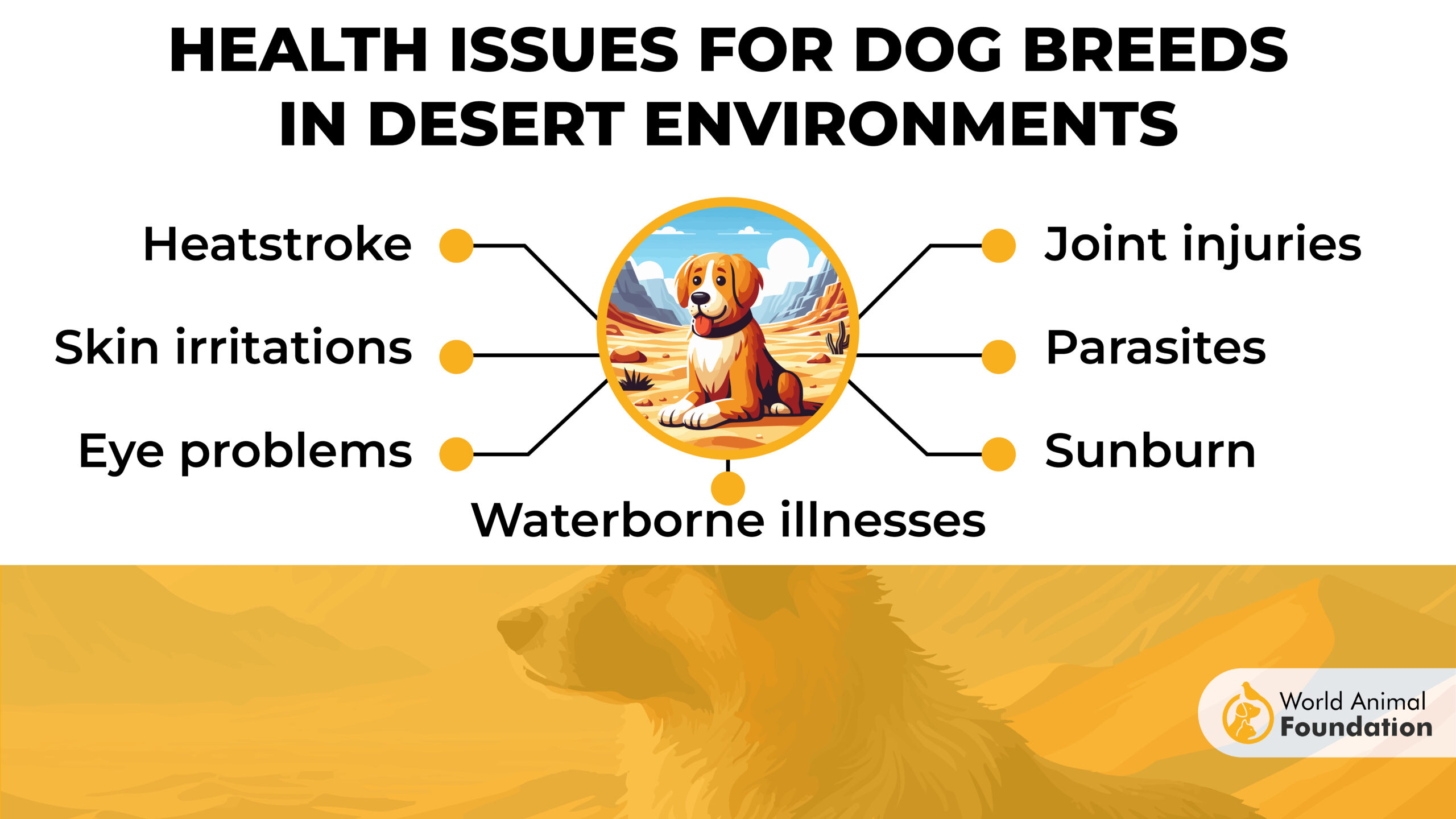
Bulldogs are lovable tanks—stocky, wrinkly, and endlessly endearing. But their unique build makes them prone to a laundry list of health issues. Breathing problems top the list of breed-related health problems, thanks to their brachycephalic nature. Bulldogs also struggle with hip dysplasia and skin infections, especially in their folds.
Hills Pet says these are laid-back dogs. However, heat sensitivity is a significant concern; they can quickly overheat and not tolerate high temperatures well. They’re also prone to cherry eye, a condition where the gland in their eye becomes inflamed.
To give your English Bulldog the best care, ensure they get moderate exercise and proper nutrition, keep their skin folds clean, and avoid exposing them to extreme heat. And most importantly, cherish their sweet, slobbery kisses—they’re worth every vet visit.
7. German Shorthaired Pointer
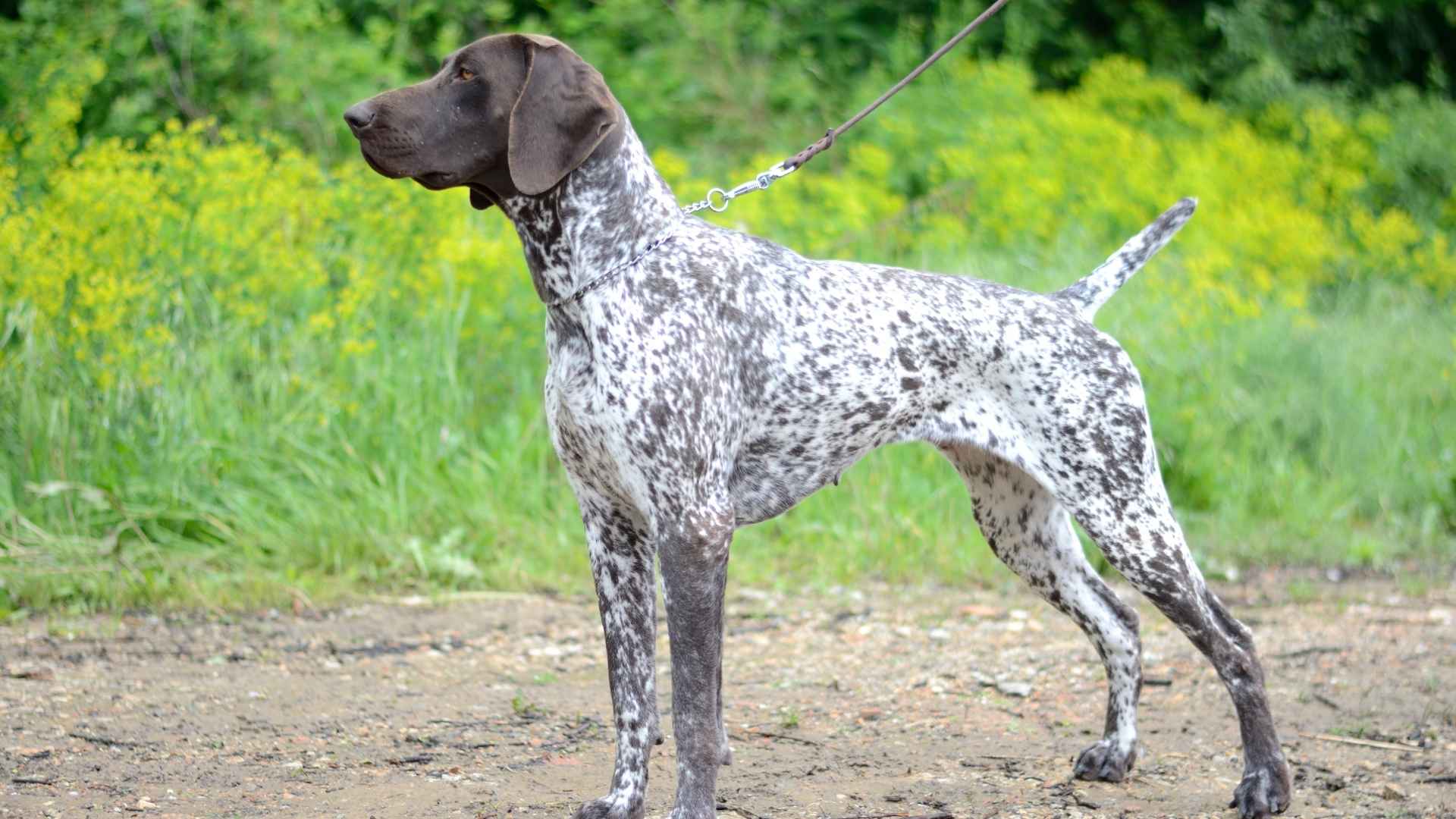
Athletic and energetic German Shorthaired Pointers (GSPs) are the marathon runners of the dog world. But all that energy doesn’t make them immune to health problems. Bloat, or gastric dilatation-volvulus, is a serious concern for this breed and can be life-threatening if not treated promptly.
GSPs, like other larger dog breeds, are also prone to hip dysplasia and epilepsy. While they’re generally a healthy breed, their active lifestyle means they’re more likely to experience injuries or wear-and-tear issues as they age.
Purina says this dog has a compelling sense of smell. To keep your canine companion in top form, feed them smaller, more frequent meals to reduce the risk of bloat, provide plenty of exercise, and invest in a comfy bed for those hardworking joints. They’ll repay you with endless loyalty and boundless enthusiasm.
8. Golden Retriever

The poster child of family dogs, Golden Retrievers, are as loving as they are beautiful. But their popularity comes at a cost: widespread breeding has led to various genetic health problems. Cancer, particularly hemangiosarcoma, neurological issues, and lymphoma, is heartbreakingly common in Goldens.
They’re also prone to joint problems like hip dysplasia, elbow dysplasia, and heart conditions like subvalvular aortic stenosis. On the bright side, their cheerful disposition often masks their discomfort, making regular vet visits all the more critical.
Their floppy ears and tendency toward skin allergies (often linked to food or environmental factors) make them susceptible to ear infections.
To keep your Golden glowing, maintain a healthy weight diet, provide regular exercise, and stay vigilant for any signs of illness. And let’s be honest—Golden’s smile is worth every effort.
9. Great Dane

The gentle giants of the dog world, Great Danes, are as majestic as they are massive. But their size makes them prone to a slew of health issues, chief among them being bloated. This condition is hazardous for large breeds and requires immediate medical attention.
This giant breed of dogs is also at risk for heart problems, such as dilated cardiomyopathy, and joint issues like arthritis. Their shorter lifespan means every moment with them is precious, so making the most of it is essential.
Feed them a diet designed for large breeds to care for your Great Dane and avoid breed-specific health problems. Alongside this, provide them with soft bedding to support their joints and shower them with love. They’ll reward you with giant-sized affection.
Conclusion
Owning a dog, regardless of breed, is a journey filled with laughter, love, and the occasional vet visit. While some breeds may come with more health challenges than others, these quirks are just part of what makes them special. Whether it’s a snorty Frenchie, a bossy Chihuahua, or a friendly cocker spaniel, every pup deserves a life full of belly rubs, tasty treats, and unconditional love.
By understanding their unique needs, staying proactive about their common health problems, and partnering with your vet, you can help your furry friend live their healthiest, happiest life. So, embrace the snuggles, cherish the zoomies, and remember—those vet bills are just part of the price we gladly pay for endless tail wags and slobbery kisses. After all, life is better (and furrier) with a dog by your side.