

PCB Manufacturer Stand Out in the Industry
Printed circuit boards (PCB) form the foundation of most modern electronic devices, ranging from uncomplicated watches and calculators to complex systems such as computers and satellites. PCBs are multi-layered, with multiple electrical layers that connect various components to each other via conductive pathways on the board’s surface. Creating a quality PCB requires several steps, including designing, manufacturing, assembly, and testing. A pcb manufactures that carries out these tasks efficiently and effectively stands out in the industry.
Designing is a vital first step in the PCB process, with a designer creating a blueprint of the desired circuit board. The blueprint is then used by the fabrication team to create the physical parts that comprise a complete circuit board. A crucial consideration when designing a PCB is its manufacturability, with designers adhering to established rules and guidelines that account for fabrication constraints and limitations.
The next step in the pcb manufactures fabrication process is imaging and etching, which converts the design blueprint into a physical pattern on the circuit board. This involves using a special type of printer to print out a “film” that looks like a transparency, with clear ink showing the lines of copper pathways and black ink marking areas where the copper will be removed during the etching process. A technician then uses these films as guides to drill holes into the PCB, aligning the inner and outer layers with the help of a type of punch machine called an optical punch.
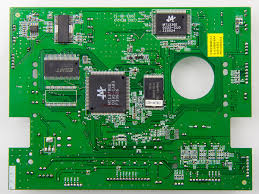
What Makes a PCB Manufacturer Stand Out in the Industry?
Once the holes are drilled, the PCB undergoes plating, in which a layer of metal, such as copper, is deposited on top of each hole and inside the drilled pathways. The copper layer acts as a conductive path for transmitting electrical signals between the different layers of the PCB. Once the PCB is plated, it’s ready for soldering.
Soldering is a final essential process, forging the essential electrical and mechanical bonds between each of the components and the circuit board. There are a variety of soldering techniques that can be used in the PCB assembly process, each with its own benefits and drawbacks. In the end, a well-executed soldering job will result in a durable, high-performance electronic device.
PCB testing and inspection are important final steps in the fabrication process, ensuring that the completed PCB meets certain standards of performance and reliability over its intended lifespan. These tests include visual inspection, electrical testing, and a range of other measurements to assess the quality of a finished product.
While many factors are critical to a successful PCB project, choosing the right pcb manufactures is an equally important decision for your business. Look for a manufacturer with flexible customization choices, strong communication with OEMs, and a track record of efficient production. These factors will ensure a smooth transition from prototype to full-scale production. Also, find a manufacturer that offers quick turnaround and competitive pricing.